
Brian Williams was never a typical professional athlete. Drafted tenth overall by the Orlando Magic in 1991 after college ball at Maryland and Arizona, the big center played for Orlando, Denver and the Los Angeles Clippers, came off the bench for the Chicago Bulls team that won the 1997 title, and became the best-paid player on the Detroit Pistons. In 1998 he took the name Bison Dele to honor his Cherokee and African heritage. A year later, aged 30 and with years left on his contract, he quit the league altogether. He traveled, flew, played instruments, learned to sail and bought a catamaran he called Hakuna Matata.
What happened
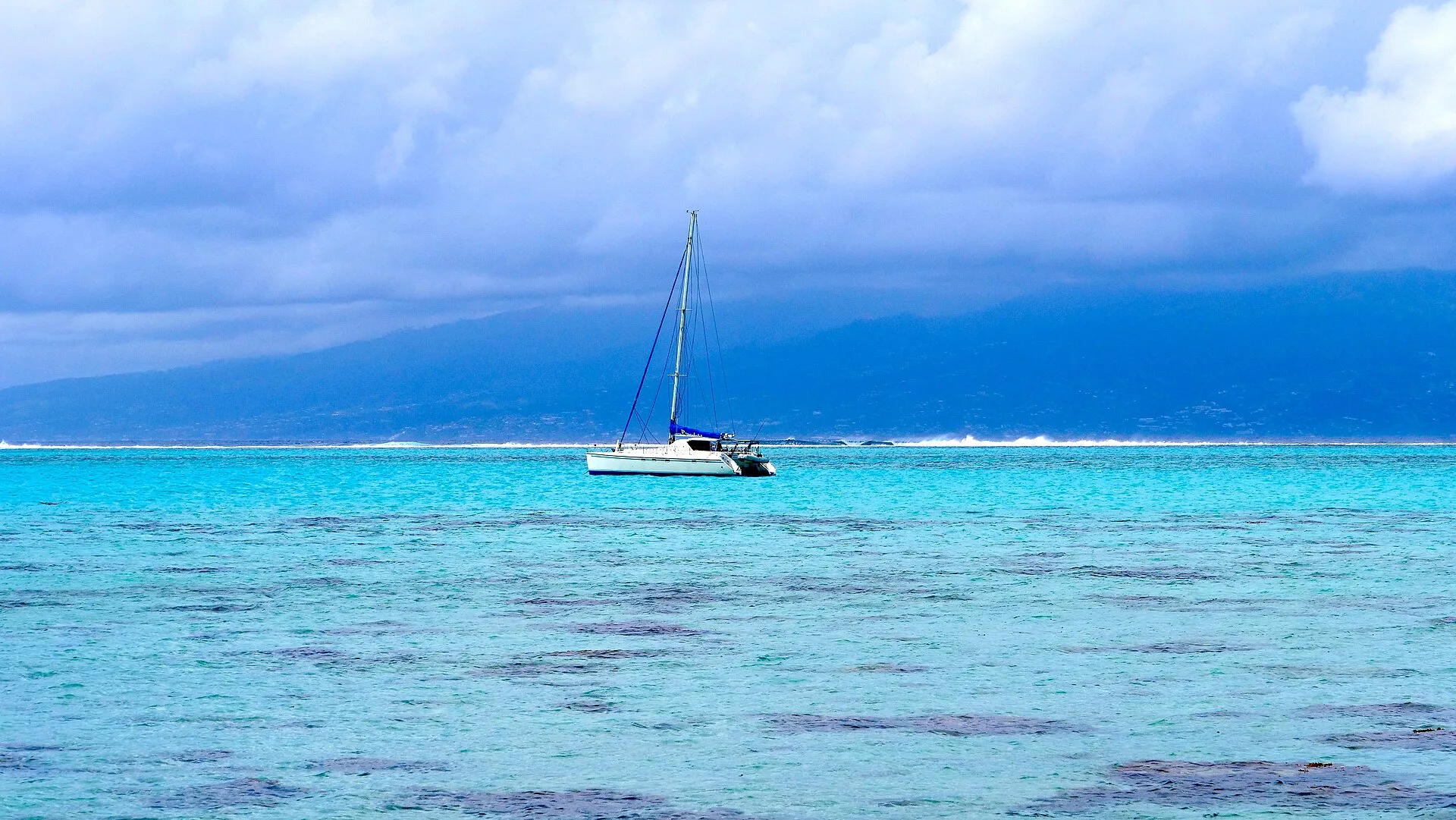
In May 2002 the catamaran left Auckland, New Zealand, with four people aboard: Dele; his girlfriend, Serena Karlan; a French skipper named Bertrand Saldo; and Dele’s older brother, Miles Dabord, who had been born Kevin Williams. By June the boat was in French Polynesia, and Dele and Karlan were based mostly on Moorea, the island next to Tahiti. The plan was to sail on to Hawaii. On July 8 Karlan phoned her parents’ house and left word that all was well. It was the last time any of the three was heard from.
Dabord, on the other hand, kept being seen. French officials later said that he paid for a rental car with his brother’s credit card, brought the catamaran into port in Tahiti on about July 18 with its name removed and a new registration as Aria Bella, and flew out on July 20. Nobody raised an alarm until the summer was over, when Dele’s family and friends, who were used to hearing from him regularly, filed missing-persons reports.
The investigation
On September 5 police in Phoenix detained a man trying to buy $152,000 worth of gold who presented Dele’s passport and signed his brother’s former name. It was Dabord. He was released without formal arrest and disappeared again. The FBI opened an inquiry and issued a warrant; in mid-September the prosecutor in Papeete, Michel Marotte, began a formal murder inquiry, and forensic teams boarded the renamed boat, where they found what were reported to be patched holes consistent with gunfire. Marotte said investigators believed Dele, Karlan and Saldo had been killed.
Dabord was found unconscious near the Mexican border in mid-September, having taken an overdose of insulin, and was taken to a hospital in the San Diego area. He never woke. He died on September 27, 2002. Before the overdose he had given his own version of events to a former girlfriend, who passed it to the FBI and the press: an argument aboard the boat turned into a fight, Karlan was knocked down and killed, Dele killed Saldo when the skipper wanted to report it, and Dabord shot his brother in self-defense before weighting the bodies and dropping them into the sea.
The explanations
Investigators did not believe that account. The FBI supervisor on the case said publicly that the evidence on the boat did not fit it, and it leaves a great deal unexplained: why every body went over the side, why the boat was renamed and quietly berthed, and why, weeks later, Dabord was posing as his brother to turn his money into gold. The brothers were known to have quarreled often; one crew member had earlier left the boat because of their fighting. The working conclusion of the French and American inquiries was a planned killing for money.
Where it stands
With the only suspect dead and the bodies somewhere in the open Pacific, there was no one to charge and little more to find, and the inquiry wound down before the end of 2002. A joint memorial was held for both brothers. The broad outline, a triple killing at sea by the man who came back alone, is what the evidence points to. The details of what happened on the boat in early July 2002 rest only on the word of the person who survived it, and that word was contradicted by everything investigators could check.