
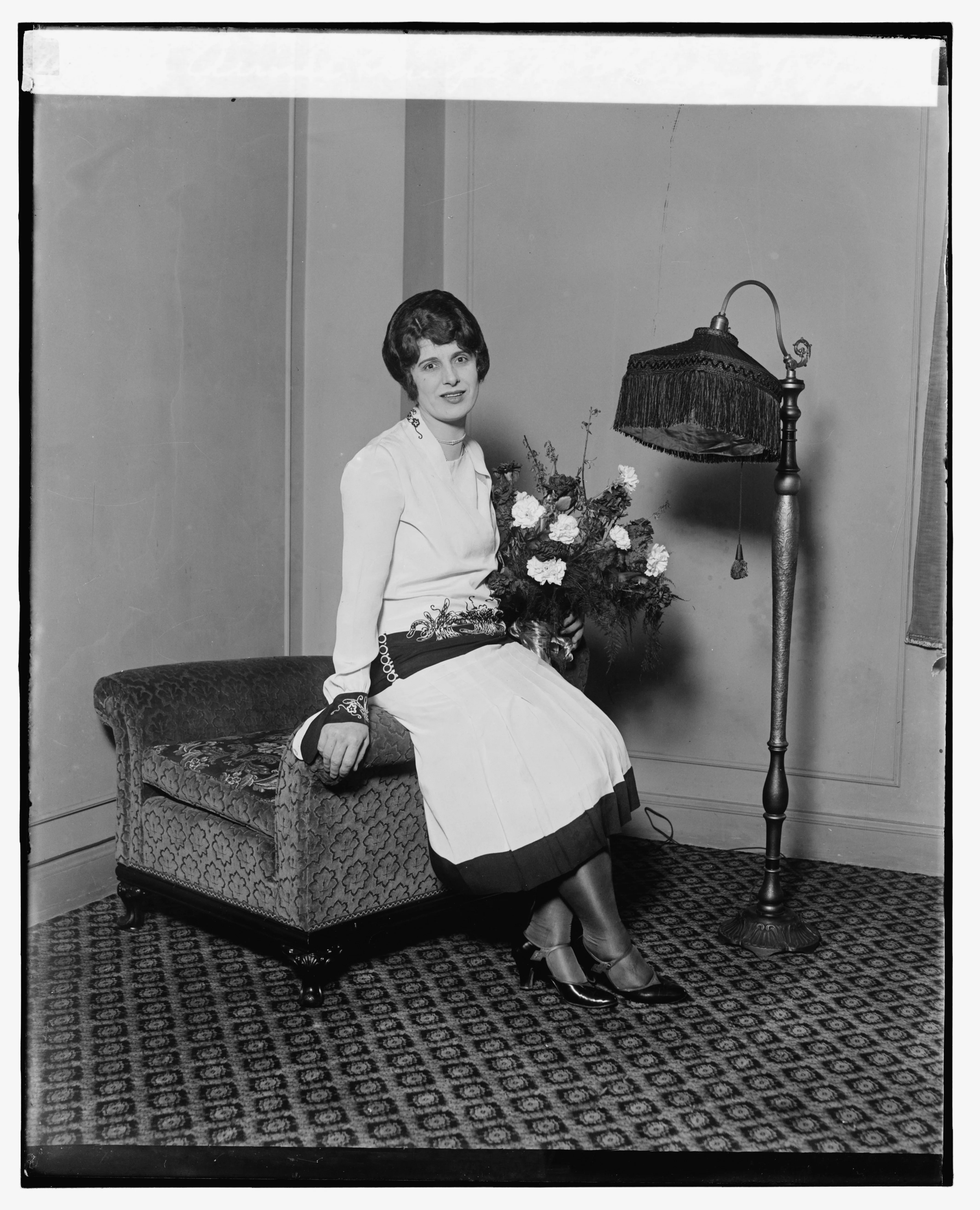
By 1926 Aimee Semple McPherson was one of the best-known women in the United States. Born in Ontario in 1890, twice married and a single mother, she had built the 5,000-seat Angelus Temple in Los Angeles, founded what became the International Church of the Foursquare Gospel, and ran one of the first Christian radio stations in the country. Her Sunday-night illustrated sermons, staged with costumes, sets and an orchestra, were among the hottest tickets in town.
What happened
On the afternoon of May 18, 1926 she went to the beach at Ocean Park, on the border of Venice and Santa Monica, with her secretary, intending to swim and work on a sermon. The secretary watched her go into the water and then lost sight of her. After searching the shore she raised the alarm. Her mother, Minnie Kennedy, who managed the temple, concluded that Aimee had drowned, and newsboys outside the evening service were soon shouting the news. For weeks searchers combed the beach and the water while sightings poured in from all over the region and ransom letters reached the temple. Investigators dismissed the letters as hoaxes, and the temple held a memorial service.
Before dawn on June 23 the telephone rang at the temple parsonage. McPherson was alive in a hospital in Douglas, Arizona, having walked into Agua Prieta, the Mexican town across the border, in the middle of the night. Her account never changed. A couple had approached her on the beach and begged her to come and pray for their dying baby; at their car she was pushed inside and drugged. She woke in a shack in the Mexican desert, held by a man called Steve, a woman called Rose and a third man who wanted a ransom. Left alone, she cut her bonds on the edge of a tin can, climbed out of a window, and walked for many hours until she reached the town. Tens of thousands of people turned out to welcome her back to Los Angeles.
The investigation
Doubts surfaced at once. An observer in Arizona remarked that her clothes and shoes looked too clean for a long walk across the desert, and no shack matching her description was found. Reporters learned that Kenneth Ormiston, the married engineer who had built her radio station and had recently left the temple, had vanished around the same time, and that Ormiston, using false names, had spent part of May in a rented cottage in Carmel, on the central California coast, with a woman some local witnesses identified as McPherson.
District Attorney Asa Keyes called a grand jury, officially to identify the kidnappers. Instead the hearings concentrated on McPherson’s private life and her relationship with Ormiston, and the jury declined to indict anyone. Keyes then took up the claim of a woman named Lorraine Wiseman, who said she had been paid to supply a double for the woman in Carmel. After a long preliminary hearing in the autumn of 1926, McPherson, her mother and others were ordered to stand trial for conspiracy and obstruction of justice. Much of the evidence had been gathered by newspapers competing for the story. Then the case fell apart: Wiseman withdrew her claim, evidence went missing, and Ormiston named a different woman as his companion. On January 10, 1927 Keyes dropped all charges. The journalist H. L. Mencken, no admirer of fundamentalists, came to believe she had been hounded.
The explanations
Three readings have survived. In the first, the kidnapping happened more or less as McPherson told it; the historian Matthew Avery Sutton notes that kidnapping rings were active in southern California and Mexico at the time. In the second, she slipped away to be with Ormiston and invented the abduction to protect her reputation and her church. In the third, she meant to vanish briefly for a dramatic return and was overtaken by the scale of the reaction. Sutton regards the circumstantial case linking her to Ormiston as strong, but points out that neither the prosecutor nor two well-funded newspapers ever produced proof that she was with him that spring, and that Ormiston never said she was.
Where it stands
McPherson spent years rebuilding her reputation and ministry, and died in 1944. Her denomination still exists. Nobody was ever charged with kidnapping her, and no one was ever convicted of staging it. Her own account remains uncorroborated and the case against her remains unproven.