
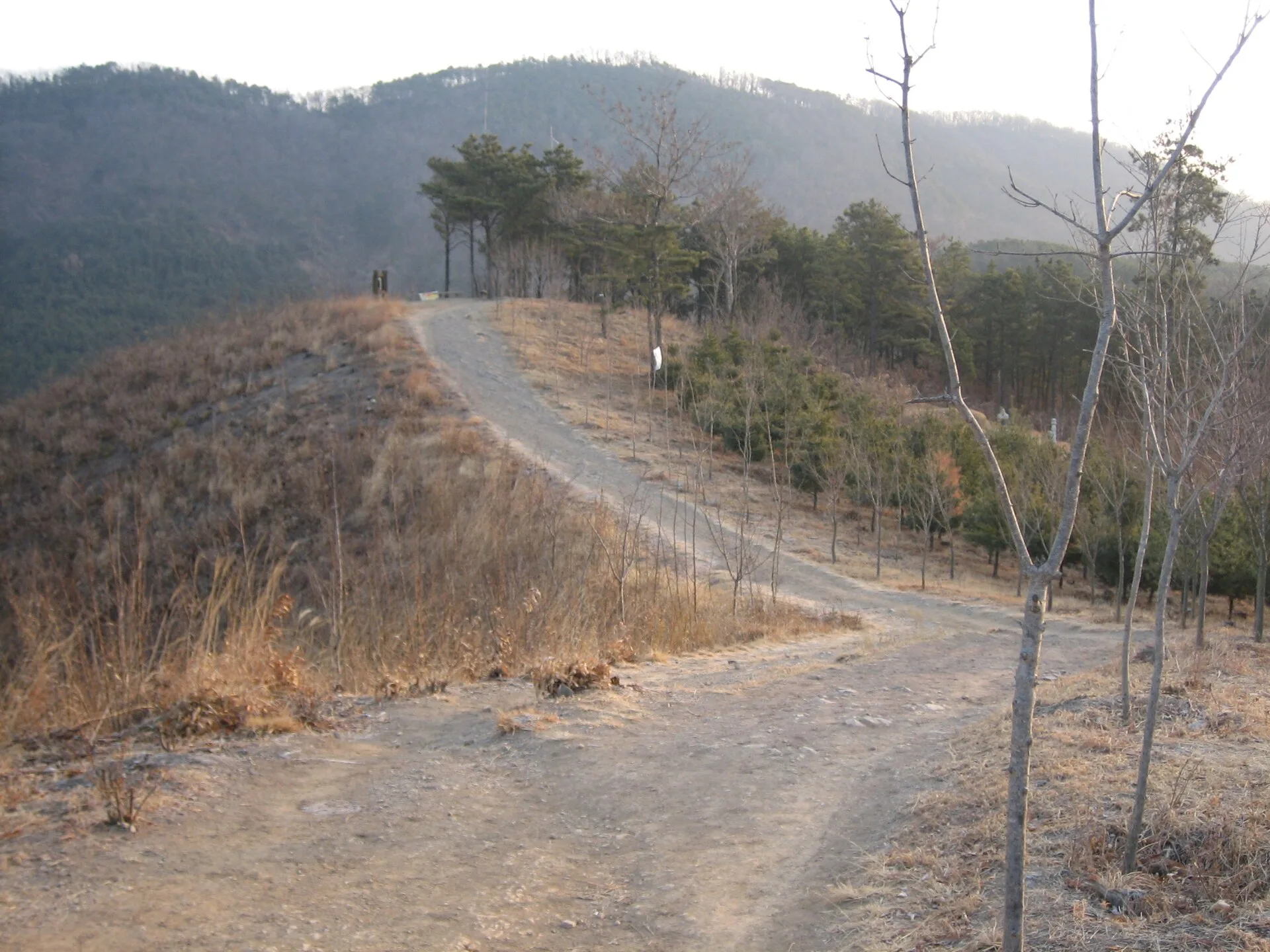
Mount Waryong is a modest, wooded ridge on the western side of Daegu, South Korea’s fourth-largest city, rising just behind the apartment blocks of Dalseo District. On the morning of Tuesday, March 26, 1991, a public holiday called for the country’s first local council elections in three decades, five pupils of Seongseo Elementary School went up it together. The youngest, Kim Jong-sik, was 9; Park Chan-in was 10, Kim Young-gyu 11, Jo Ho-yeon 12, and the eldest, Woo Cheol-won, 13. They told a friend they were going to look for salamander eggs. Early reports said frog eggs, and the name stuck: they became the Frog Boys.
The search
None of them came home. Woo Cheol-won’s father realized something was wrong when his son missed his taekwondo lesson. What followed was one of the largest searches for missing people in Korean history. According to later accounts in the Korea JoongAng Daily, some 320,000 police officers and soldiers took part, more than 140,000 places were checked, and about 22 million flyers were printed; the boys’ faces appeared on cigarette packs, postcards and videotapes. Schools, companies and civic groups put up a reward of 42 million won. Searchers went over the mountain itself, the nearby reservoirs and irrigation channels, and bus and train stations across the country. The fathers quit their jobs and drove the country in a truck handing out leaflets, following hundreds of tips, prank calls from a man claiming to be the kidnapper, and the visions of shamans. A special investigation office ran until 2001.
The rumors grew darker as the years passed. In 1996 a university professor publicly claimed the boys were buried beneath one family’s house; police dug up the floor, found nothing, and the professor was later fined for defamation. The case became a byword for helpless grief, inspiring television programs and, in 2011, the feature film Children.
The discovery
On September 26, 2002, a man gathering acorns on the eastern slope of Mount Waryong, about 400 meters up, noticed scraps of shoes and clothing in the ground. Police excavated and recovered five sets of remains lying close together, about two kilometers from the boys’ homes, in a spot just outside the area the original searches had covered. Shoes, clothing and dental braces matched the boys, and DNA testing confirmed their identities. Spent bullets and cartridge cases were found among the bones; a nearby army unit said it held no training on the holiday.
Police initially said there were no signs of foul play and that the boys had most likely died of cold, huddled together in the rain. The families were unconvinced, and the forensic medicine team of Kyungpook National University, working for about six weeks with the National Institute of Scientific Investigation, reached a different conclusion. Three of the five skulls showed depressed fractures, cracks and holes that the team attributed to repeated blows with a metal tool, and one wound on Woo Cheol-won’s skull had a squared outline that decomposition could not explain. The team said the boys had probably been killed by head injuries and then buried soon after. Daegu police announced they would start the investigation again from the beginning.
Where it stands
They never found anyone to charge. The remains were cremated on March 26, 2004, and scattered on the Nakdong River, except for the skulls, which the families kept as evidence. The statute of limitations on the killings ran out on March 25, 2006. Korea abolished the time limit for murder in 2015, but according to the Korea JoongAng Daily the change reaches only killings committed from 2000 onward. The Daegu Metropolitan Police Agency’s cold case team reopened the file in 2019, encouraged by the identification that year of the Hwaseong serial killer through new DNA work. A reanalysis by the National Forensic Service and around a hundred new tips have produced no suspect, and the evidence gathered at the scene in 2002 amounted to little more than bones, soil and a plastic bag. Proposed weapons, including a pair of calipers suggested online in 2022, have not matched the wounds.
Three of the five fathers have since died. More than thirty years on, nobody knows who was on the mountain with the boys that morning, why five children were attacked together, or how their bodies lay undiscovered so close to home.