
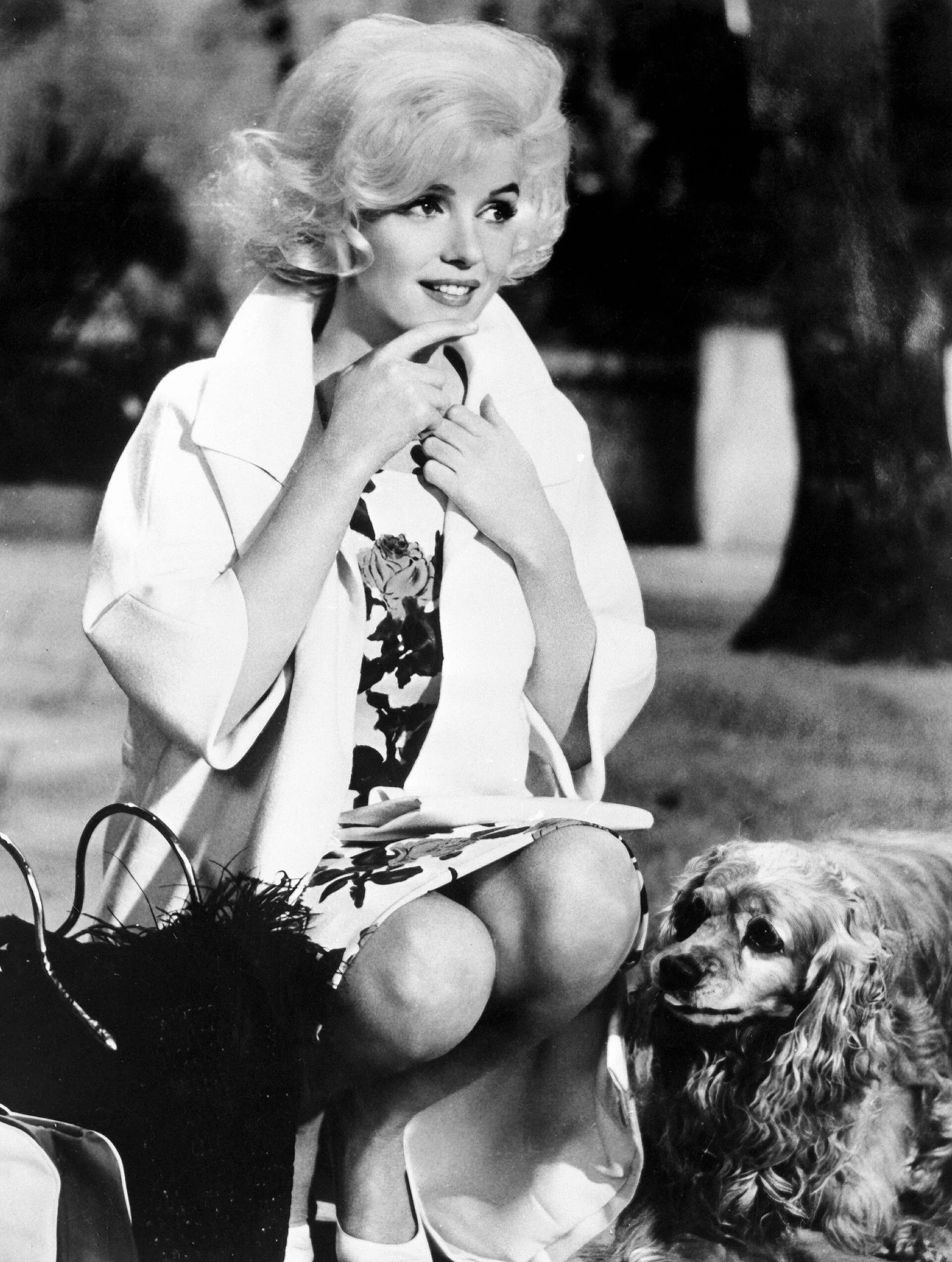
Marilyn Monroe spent the summer of 1962 in the first house she had ever bought on her own, a modest Spanish-style bungalow at the end of a cul-de-sac in Brentwood, on the west side of Los Angeles. It was a difficult season. In June, 20th Century Fox had fired her from Something’s Got to Give after weeks of absences and sued her for breach of contract. By early August she had been talking with the studio about finishing the picture, and friends who saw her that week described plans and appointments. Her psychiatrist, Ralph Greenson, saw her almost daily.
What happened
Saturday, August 4, passed quietly at the house. Greenson came in the late afternoon for a long session and, before leaving, asked the live-in housekeeper, Eunice Murray, to stay the night. Monroe went to her room early in the evening. The actor Peter Lawford, President Kennedy’s brother-in-law, later said he phoned her that night to invite her to a party and found her speech slurred and drifting, enough to worry him and to set off a chain of calls among his circle and her lawyer, who was told by the housekeeper that all was well.
Some time after three in the morning Murray noticed a light under Monroe’s door and could not rouse her. The door was locked. She called Greenson, who arrived, took a fireplace poker to a bedroom window and climbed in. Monroe was lying face down across the bed with a telephone receiver in her hand. Her internist, Hyman Engelberg, came and pronounced her dead, and the police were called a little after four. The Los Angeles Times reported the next day that an empty bottle on the nightstand had held Nembutal capsules prescribed only days earlier, among a dozen or more medicine bottles.
The investigation
Deputy medical examiner Thomas Noguchi performed the autopsy on Sunday. Toxicology found high levels of chloral hydrate and the barbiturate pentobarbital in her blood, and more pentobarbital in her liver, consistent with a large dose swallowed over a short time. There were no wounds and only one minor bruise. Coroner Theodore Curphey also brought in a team from the Los Angeles Suicide Prevention Center, among them Robert Litman and Norman Farberow, to conduct what they called a psychological autopsy: interviews with her doctors and associates about her state of mind. They reported long-standing depression, earlier overdoses after which she had called for help and been saved, and expressed wishes to die. On August 17 Curphey classified the death as a probable suicide. No note was found; Litman pointed out that most people who kill themselves leave none.
The explanations
For two years the finding went largely unchallenged. In 1964 Frank A. Capell, an anti-communist pamphleteer, published a booklet claiming that Monroe had been killed to hide an affair with Attorney General Robert Kennedy. Over the following decades the idea was elaborated by Robert Slatzer, who said he had secretly married Monroe in 1952; by the private detective Milo Speriglio; by Lionel Grandison, a former coroner’s employee who said bruises had been left out of the record and a red diary had vanished; and, in a more cautious form, by the British journalist Anthony Summers, who argued in 1985 that she died of an accidental overdose and that the scene was rearranged to keep Robert Kennedy’s name out of it. Other writers, including the biographer Donald Spoto and the former prosecutor John Miner, proposed that her doctors’ drugs, possibly given by enema, killed her by mistake.
Pressure from these claims led District Attorney John Van de Kamp to order a review in 1982. His investigators spent about three months re-interviewing witnesses, among them Noguchi, Litman, Murray, Lawford, Slatzer and Grandison, and checking phone records and pharmacology. They concluded in December that the facts did not support foul play. They found Grandison unreliable, no record of a Slatzer marriage, and no wiretap evidence on tapes said to contain it, while acknowledging that some discrepancies in the timeline could not be cleared up. Noguchi, in his 1983 memoir, called suicide very probable and said only full release of FBI files and the suicide panel’s notes would quiet the debate.
Where it stands
The FBI had watched Monroe since the 1950s over her left-wing friendships, and its file, released with fewer redactions in 2012, is mostly a record of her travels and associations, kept in search of communist ties the bureau never found. The coroner’s finding has never been changed. Murder, in any of its versions, depends on witnesses who came forward years later and did not survive scrutiny. What remains open is the narrower question the coroner’s own word, probable, leaves room for: whether a woman long used to sedatives meant to die that night or simply took too many.