
Varginha is a mid-sized city in the south of Minas Gerais, Brazil, a short drive from Três Corações, home of the Brazilian Army’s school for sergeants, the Escola de Sargentos das Armas. In January 1996 it became the setting for an episode often described as Brazil’s Roswell.
What happened
On the afternoon of January 20, 1996, a stormy day, three young women were walking through Jardim Andere, a neighborhood on the edge of town, and cut past a vacant lot. Sisters Liliane de Fátima Silva and Valquíria Aparecida Silva and their friend Kátia Andrade Xavier, then between 14 and 22 years old, said they saw a figure squatting against a wall. As they described it, the thing had brown, oily-looking skin, large red eyes and three ridges on its head, gave off a smell like ammonia and seemed weak or hurt. They ran, and their story was soon all over town.
Within weeks it had grown far beyond one sighting. Rumors described firefighters netting a creature, a second being caught at night, Army trucks from the sergeants’ school moving through the area, and bodies taken first to a local hospital and then to Campinas in São Paulo state, perhaps on to the United States. The death on February 15 of Marco Eli Chereze, a 23-year-old military police officer, from a severe infection was folded in; ufologists said he had handled one of the beings. Two of them, Vitório Pacaccini and Maxs Portes, set out the full version in a 1996 book, Incidente em Varginha, naming soldiers they said had taken part.
The investigation
The Army’s formal response came from the sergeants’ school itself. In 1997 its commander ordered a military police inquiry, IPM 18/97, after the school’s intelligence section flagged the book as possibly criminal. The questions were whether the authors had spread falsehoods damaging to the armed forces, coaxed soldiers into leaking internal information, and falsely accused the school of fabricating witnesses in an earlier internal review. Investigators took statements from dozens of people, among them soldiers, military police, firefighters and drivers, and set duty rosters and vehicle logs against the times given in the published accounts.
The findings were flat. No witness confirmed a capture or a transport, and the vehicle records did not fit the story. What townspeople had seen, the file says, were ordinary events misread: firefighters answering a call in Jardim Andere, Army trucks parked near a dealership where they were due for routine maintenance, and school vehicles leaving on normal business. For the creature, the inquiry pointed to Luís Antônio de Paula, a local man with a mental disability known as Mudinho, who often wandered the streets and crouched against walls. It noted heavy rain and hail that day, which would have left him soaked and dirty. On Chereze, the autopsy found no external agent, and an exhumation about two years later did not change the recorded cause of death.
In a filing dated June 18, 1997, the military prosecutor in Juiz de Fora, Antonio Antero dos Santos, called the authors’ conduct unethical and their sources unreliable, but not criminal, and asked for the case to be closed. A substitute military judge agreed on July 4, 1997.
The explanations
Supporters of the alien account reject the Mudinho identification. Pacaccini has argued that the women knew the man by sight and could not have mistaken him for anything else. On the other side, Ubirajara Rodrigues, a ufologist who was among the first to interview the women, has said he no longer believes a creature was there, and that early investigators, himself included, erred by steering witnesses in ways that can reshape memory.
The capture story is weak in a specific way. Its sources are anonymous or second-hand, while the military movements that can be checked have dull explanations. No photograph, specimen, medical record or official document showing a creature has ever surfaced, and the officer’s death was attributed to an infection after routine surgery.
Where it stands
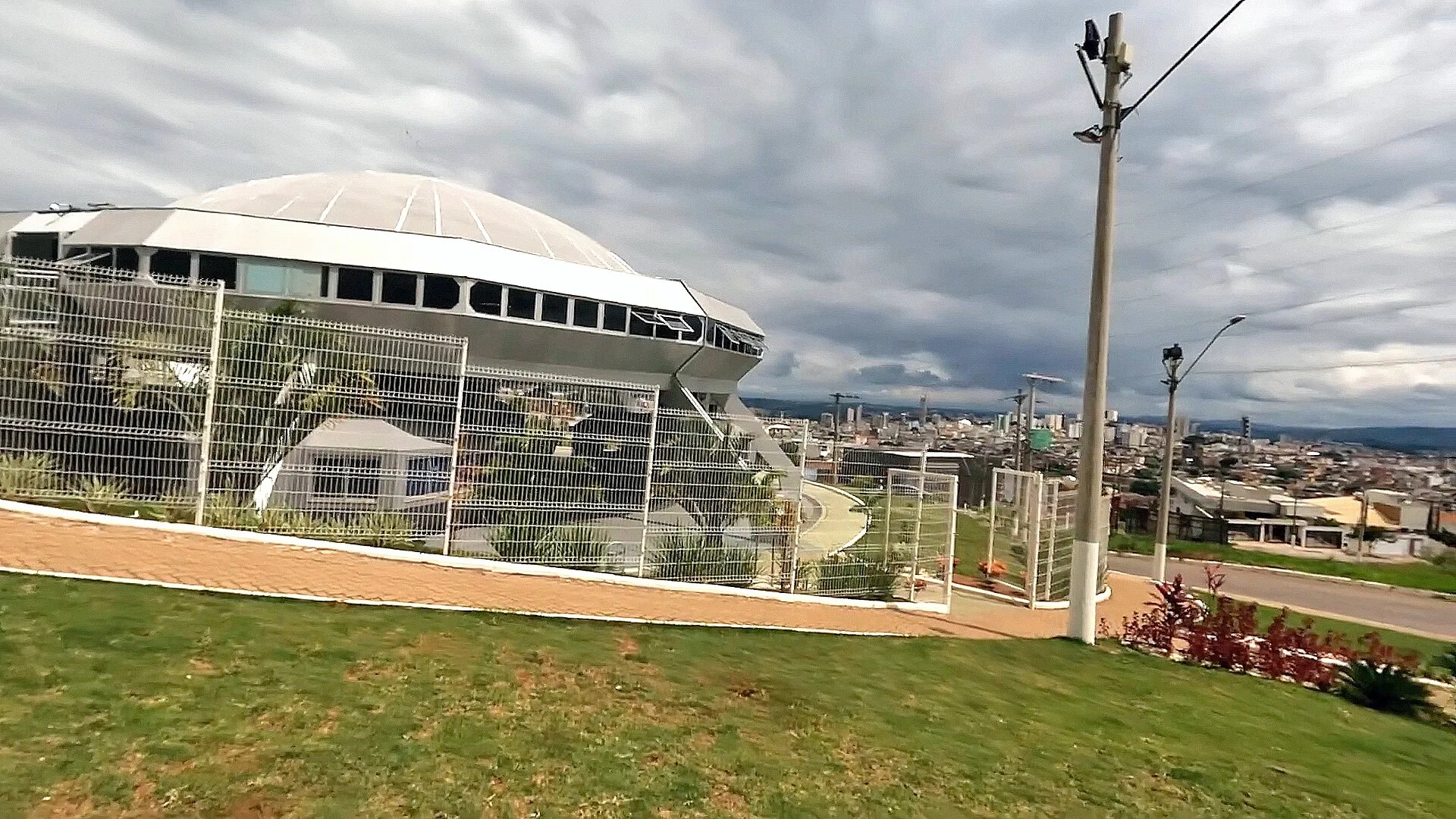
In January 2026, ahead of the thirtieth anniversary, the Superior Military Court made the inquiry file, about 600 pages in two volumes, available online. It changed few minds. Varginha has embraced its visitor, with a flying-saucer water tower in a city park and an alien memorial building. The three women remain the only direct witnesses to the figure in the lot. The record supports a frightening encounter with something in a rainstorm; it does not support a military capture of extraterrestrials.