
Ranch Road 32 climbs out of Wimberley and runs west toward Blanco along a narrow limestone ridge with long views over the Texas Hill Country on both sides. The ridge is called the Devil’s Backbone, and it has collected ghost stories the way other back roads collect potholes. Along the way, at the crossroads hamlet of Fischer in northern Comal County, stands the Devil’s Backbone Tavern, a cash-only beer joint and dance hall whose owners and regulars say the dead never quite left.
The place
Fischer grew up in the 1850s around a log trading post built by Hermann Fischer on the road between San Marcos and Blanco, according to the Texas State Historical Association. For most of the twentieth century it was little more than a country store and post office, with a population counted in the dozens. The tavern’s oldest part is a stone room from the late 1890s that served as a blacksmith shop and a stop for stagecoaches heading toward San Marcos. The present owner has pointed out that it also has a jail-style door, which leaves her wondering what else the room was used for.
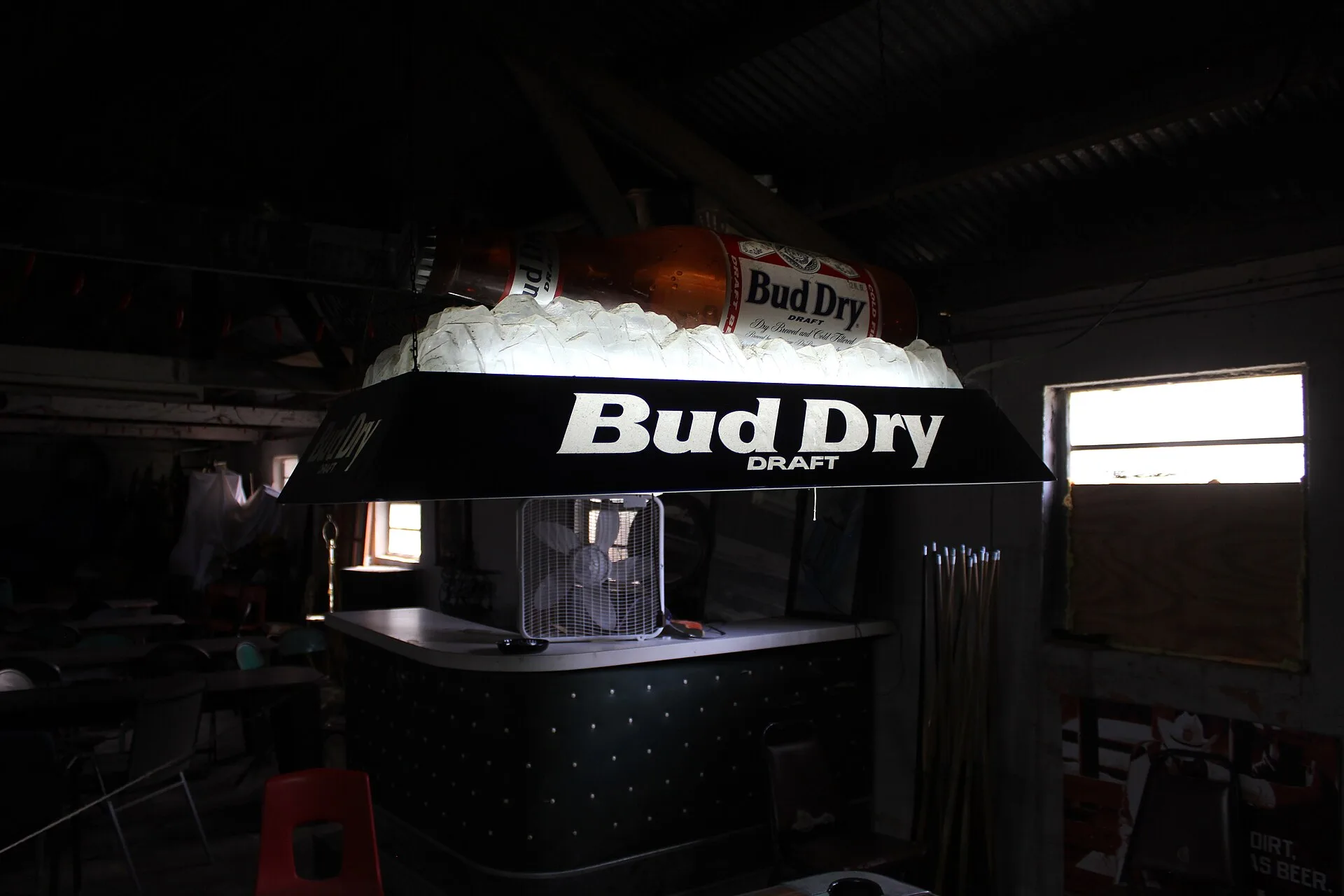
The bar itself dates from 1937. Beer sales had been legal again since 1933, but neighboring Hays County was dry, so the tavern was put up just across the line in Comal County, right beside the old smithy. In the 1940s owner Evelyn Kubena added a Sinclair service station, and a dance hall followed, drawing bands both local and touring, Adolph Hofner’s among them. The building still has creaking wooden floors, a jukebox, neon beer signs and a wall of photographs of regulars who have died, and families have reportedly scattered the ashes of some of those regulars between the floorboards.
The stories
The legend most often attached to the ridge, and repeated on the tavern’s own website, is of a woman walking along the road at night with a baby in her arms, calling out for her husband. Another concerns a ranch foreman who woke to the thunder of hooves outside his cabin and went out to find twenty or more riders passing by, men he took to be the ghosts of Confederate soldiers. Locals say the horses can still be heard after dark. Lore around the ridge also speaks of a Native American campground beneath the tavern site and of soldiers buried in unmarked graves nearby.
Inside the tavern the reports are smaller and more domestic. Robyn Ludwick, who bought the bar with her husband around 2018, told the New Braunfels Herald-Zeitung that while the two of them were repairing the building alone they heard voices from the empty dance hall and felt the presence of more people than were there. She also describes the jukebox acting up and photographs of departed regulars dropping from the wall just as someone is talking about them. A tall mirror in the dance hall, once hung beside the stage, is known as the ghost mirror; Ludwick says pictures taken in it have shown spirits. She calls the spirits friendly and herself a believer.
Much of the wider lore of the ridge was written down by Bert M. Wall, whose 1996 collection The Devil’s Backbone: Ghost Stories from the Texas Hill Country was followed by two sequels, Ghostly Chills and Haunted Land. The series gave the roadside tales a fixed, printed form.
The explanations
None of the tavern’s stories rests on anything more than testimony, and none has been investigated in a way that could separate it from ordinary causes. An old building of stone and timber on an exposed ridge creaks, drafts and settles; aging electrical fixtures and appliances misbehave; pictures fall. The roadside stories follow familiar patterns found across the country, the grieving woman on the road and the spectral riders, and they are anchored to a real frontier past without pointing to any specific, recorded event. The claim that a Civil War battle was fought on the ridge is repeated in local coverage, but no source cited for it identifies the battle.
Where it stands
The Devil’s Backbone Tavern remains open every day, and its owners welcome the paranormal groups that arrive each October. Fischer is quiet, the ridge road is dark and winding, and the stories continue to be told at the bar. As history the tavern is well documented; as a haunting it is a local legend, kept alive by the people who love the place.