
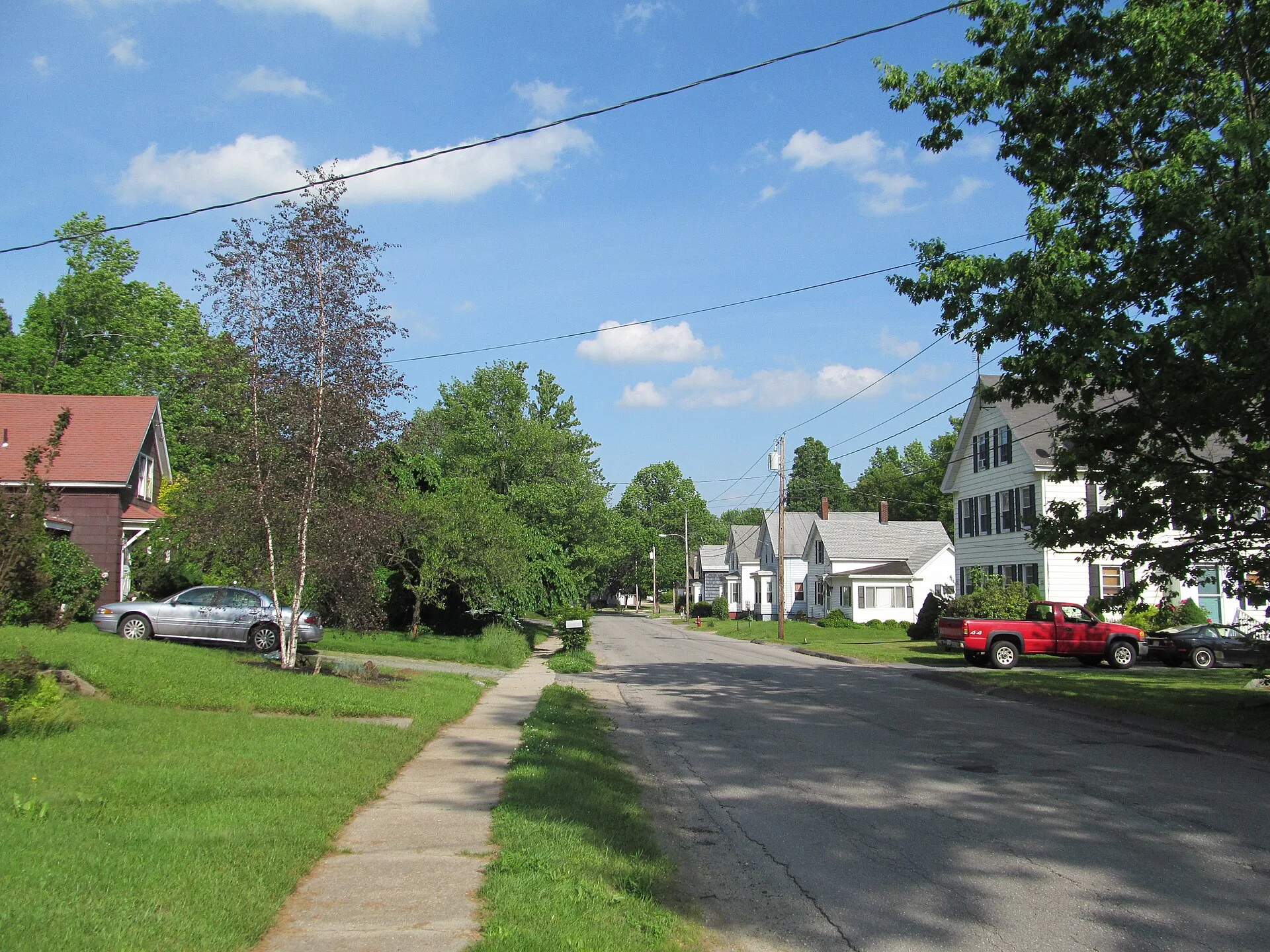
South Ashburnham is a village in the hills of north-central Massachusetts, close to the New Hampshire line. In January 1967 Betty Andreasson, a devout evangelical Christian and mother of seven, was living there in an old farmhouse with her children and her parents. A decade later, under hypnosis, she described being taken from that house by small gray beings into a craft and on to a strange world. Raymond Fowler’s 1979 book about her, The Andreasson Affair, became one of the founding texts of the alien abduction literature.
What happened
According to Fowler’s account, the household was under strain that winter. Betty’s husband, James, had been badly hurt in a car crash two days before Christmas and was in the hospital, so her parents, Waino and Eva Aho, had moved in to help. On the evening of January 25 the house lights flickered and went out while the children watched television, and a pulsing pinkish light shone through the kitchen window. Betty’s father went to look and later gave a signed statement that he had seen odd figures outside, hopping one after another like grasshoppers, before he lost track of what happened next. The rest of the family, Betty said, seemed to be frozen in place.
For years Betty recalled only fragments. In 1974 she answered a National Enquirer appeal for UFO stories and received a form letter. In August 1975 she wrote to J. Allen Hynek’s Center for UFO Studies, which eventually passed the letter to a study group in the Mutual UFO Network, MUFON. A field investigator began work in January 1977, and the team arranged for Betty and her eldest daughter, Becky, who had been eleven at the time, to be hypnotized by Harold Edelstein, director of the New England Institute of Hypnosis. Fowler, then MUFON’s director of investigations, joined the sessions in June 1977.
Under hypnosis Betty described four small beings with large heads and wraparound eyes entering through the closed kitchen door, led by one who called himself Quazgaa. She said she was examined aboard their craft, had a probe pushed up her nose and a needle into her navel, and was carried through tunnels to a place of red and green light, where she watched a huge bird burn and rise again from the ashes like a phoenix, and heard a voice she took to be divine. She was then returned home with her family none the wiser. Becky, in her own sessions, recalled seeing one of the visitors in the house before she lost awareness.
The investigation
The MUFON team spent about a year on the case and compiled a confidential report that ran to 528 pages. They ran character checks, had a psychiatrist interview Betty, and had both women tested with a Psychological Stress Evaluator, a voice-analysis device marketed as a lie detector. The psychiatrist found no thought disorder and judged that Betty believed her story, though he added that her strong religious involvement might color her account. The investigators concluded that mother and daughter were telling the truth, and Hynek wrote the foreword to Fowler’s book. Kirkus Reviews, less impressed, observed that even its author would not claim it was all literally true. Fowler went on to publish The Andreasson Affair, Phase Two in 1982, in which further hypnosis produced memories of contacts stretching back to Betty’s childhood, followed by later sequels.
The explanations
Sincerity is not in doubt; what the evidence can show is. No physical trace was recovered, the only other adult witness, Waino Aho, left just a short signed statement before he died in August 1977, and nearly every detail of the abduction surfaced for the first time a decade later, in hypnosis sessions run by UFO investigators who had openly modeled their approach on the Betty and Barney Hill case. Memory researchers warn that hypnosis can yield detailed memories of things that never happened, and a voice-stress reading shows at most that a speaker is calm, not that a story is true. Work at Harvard by Richard McNally and Susan Clancy found that people who report recovered abduction memories are more prone than others to false recall in laboratory tests, that hypnotic suggestibility predicted those errors, and that sleep paralysis, prior belief and hypnosis together can produce vivid, emotionally real accounts.
The religious content of the story also fits Betty’s own faith closely, as the team’s psychiatrist noticed.
Where it stands
The Andreasson case is still cited by abduction researchers as one of the most thoroughly investigated on record, and Fowler, a respected figure in the field, returned to the family in further books as late as 1997. Nothing in it has been independently confirmed. The family’s frightening evening in 1967 may well have happened in some form, but the abduction narrative exists only as memory recovered under hypnosis, and that is where the case remains unproven.