
Dodleston is a small village a few miles southwest of Chester, close to the Welsh border. In 1984 Ken Webster, an economics teacher at Hawarden High School, moved into Meadow Cottage there with his girlfriend, Debbie, and began renovating it. A friend, Nicola, known as Nic, came to stay and help. Over the following two years the three reported a sequence of events that Webster set out in a book, The Vertical Plane, first published in 1989. Nearly everything known about the case comes from that account and from people close to it.
What happened
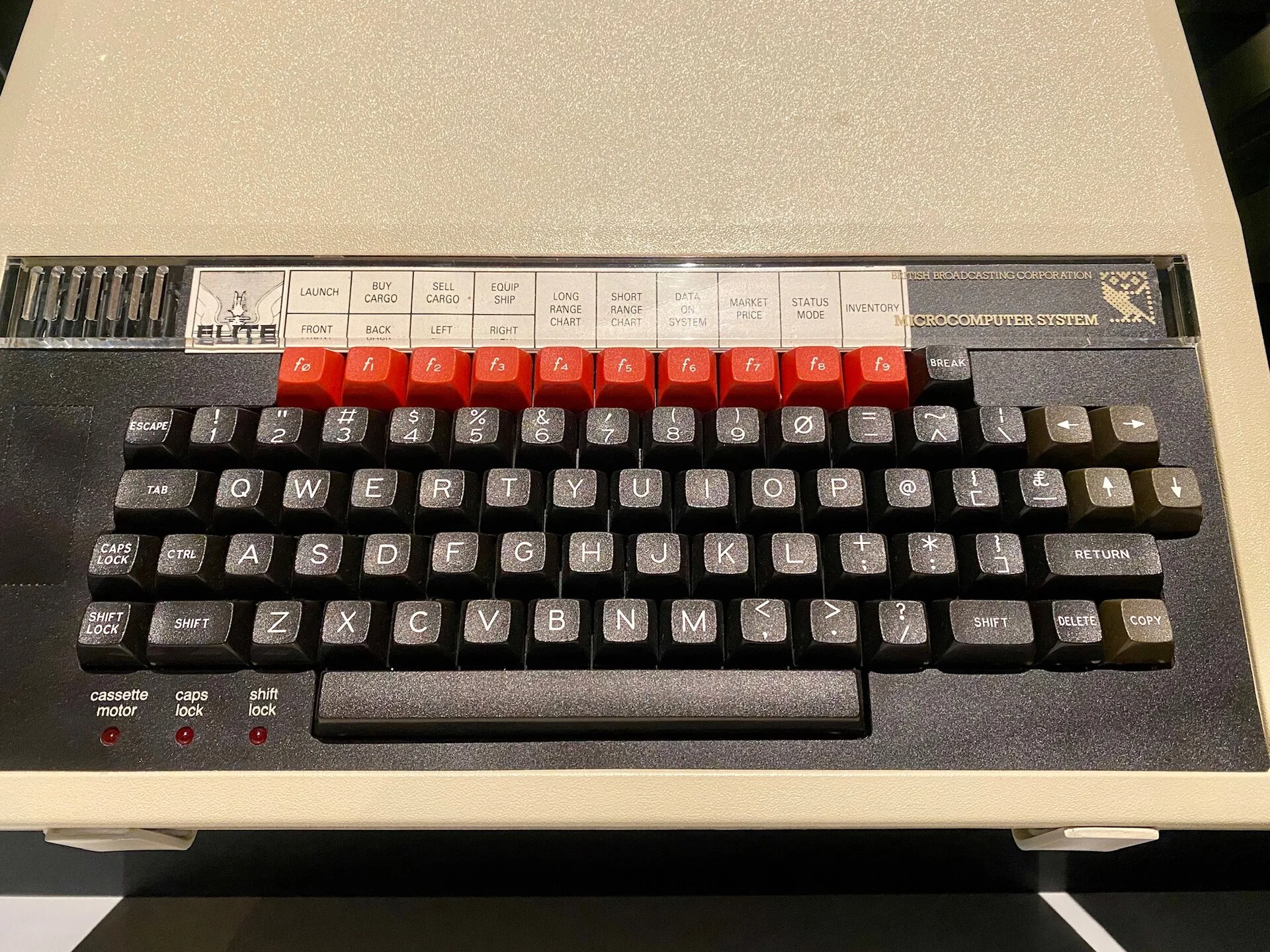
The first signs were domestic. In late summer 1984 small footprints, one apparently six-toed, were seen on a wall between the kitchen and the bathroom and later in dust on the floor. Tins of cat food were found stacked into a pyramid overnight, and afterward bottles, cans and jars in columns beside a brick pillar in the kitchen. Webster borrowed a BBC Micro, the standard school computer of the day, with a word-processing program so that Nic could write material for a cabaret act. Coming home after an evening out, he found a file on the disc that none of them had made, containing a strange poem in erratic capitals addressed to Ken, Deb and Nic.
In February 1985 another borrowed machine showed a longer message written in imitation Tudor spelling. Its author complained that the occupants had taken his house and signed himself L.W. On a friend’s suggestion the household began leaving replies. The writer dated his letters to 1521, gave his name as Lukas Wainman, said he farmed the land, and over the following months described his life under Henry VIII. Peter Trinder, an English teacher at Webster’s school who had once taught him, checked the vocabulary in the Oxford English Dictionary and found much of it consistent with the period. In April 1985 a second voice appeared, signing itself 2109 and claiming to come from that year. Messages also turned up as chalk writing or paper notes in the kitchen, and the household described furniture piled against doors and lengths of copper pipe thrown at the walls.
The investigation
The couple contacted the Society for Psychical Research, the British organization that has studied claims of this kind since 1882. Its field officer John Bucknall and a colleague visited from May 1985. They taped doors and windows, set up listening equipment, and sent members of the household to the village pub while they watched. On those evenings nothing arrived while the investigators were present; replies tended to appear afterward, or in files no outsider had seen created. By Webster’s own account the investigators suspected a hoax, possibly by someone in the village, and never eliminated the household. Bucknall left the society in 1986 and no report was produced. The first press story ran in the Chester Observer in December 1985.
The content raised its own doubts. An early message described Henry VIII as 64 years old in 1521, when the king was about 30. Another placed a friend at Kinnerton Hall, a house that dates from the late 1600s. Lukas said he had studied at Jesus College, Oxford, which was founded in 1571, wrote Latin that a classics teacher dismissed as poor, and used modern punctuation such as bracketed question marks. Once errors were pointed out, later messages corrected them or blamed 2109 for altering the earlier texts. A librarian at Brasenose College eventually offered a real student of the period, Thomas Harden or Hawarden, as a candidate for Lukas’s true identity.
The explanations
Viewed sceptically, the case has the shape of a hoax that grew with its audience. The messages appeared on machines that only the household chose and handled, rarely while strangers watched, and mistakes were repaired after they were found. Who might have written them, if not the entities themselves, has never been established. Supporters point to the period vocabulary, the sheer effort a hoax would have taken, and a 1985 message from 2109 that responded to questions an investigator had typed and then deleted. In paranormal writing the case is filed as communication across time or with the dead, but no part of it has been confirmed independently of the people who received it.
Where it stands
The last message from Lukas arrived in March 1986, and Webster put the computer away for good later that year. The Vertical Plane was later reissued by Thorsons, and an expanded second edition followed in 2022. No investigator’s report has been published and no independent copy of the messages exists. The claim rests on the testimony of the people involved, and it remains unproven.