
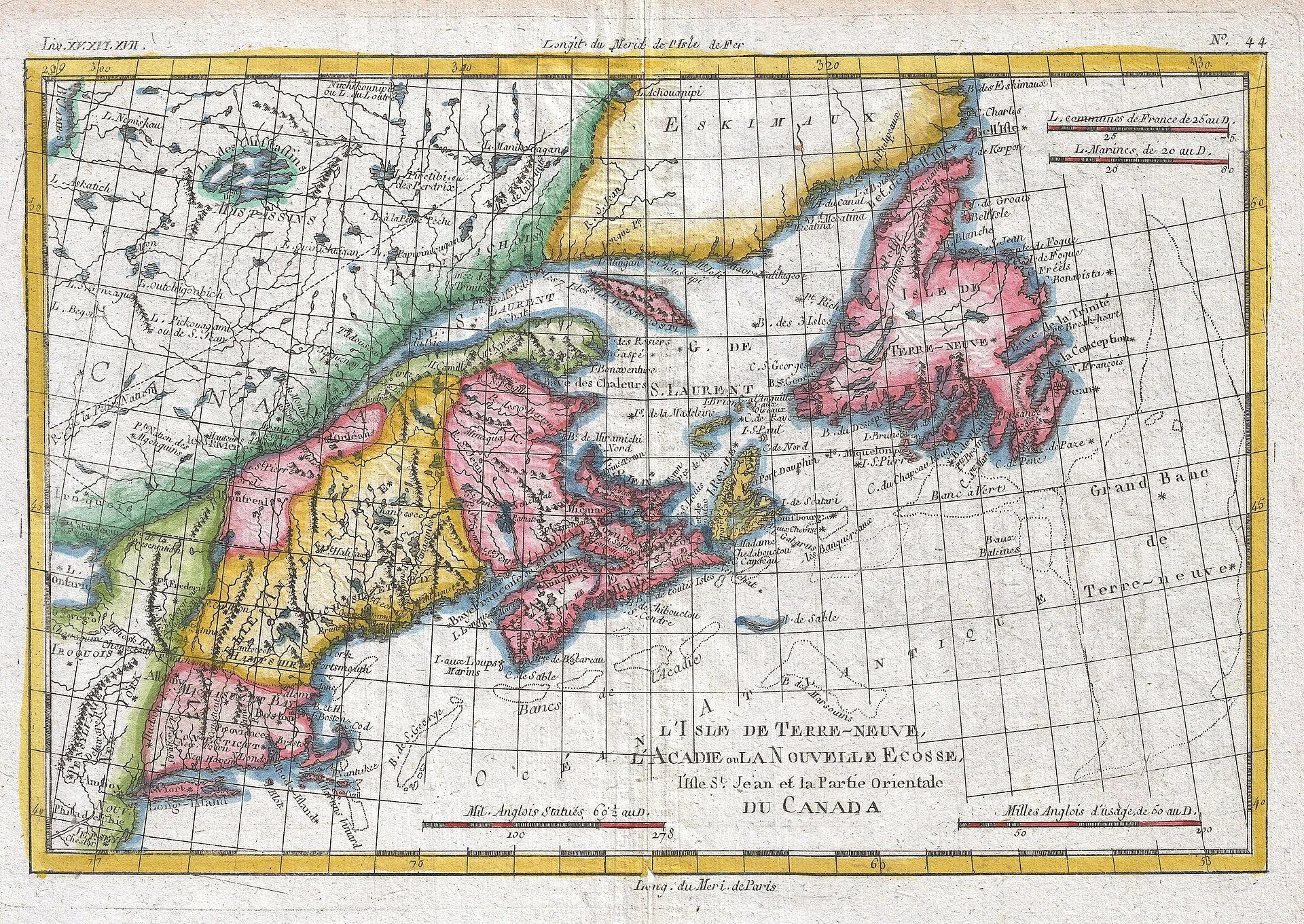
On Friday, May 19, 1780, in the middle of the Revolutionary War, daylight failed across much of New England. By noon people from Maine to Connecticut were eating dinner by candlelight, and many believed the end of the world had come. The event was recorded in detail at the time, and its cause has since been pinned down with some confidence.
What happened
For several days beforehand the air had been hazy, and the sun and moon had looked unusually red. On the morning of the 19th clouds moved in from the southwest, with scattered showers and distant thunder. Samuel Williams, the Hollis professor of mathematics at Harvard, wrote that the darkness set in between ten and eleven in the morning and lasted until the middle of the following night. Across most of the region it was too dark to read print, tell the time by a clock or do housework without a candle. Hens went to roost, roosters crowed as if at dawn, night birds sang, and some flowers closed their petals. The moon that night rose red.
The gloom was deepest in northeastern Massachusetts, southern New Hampshire and southwestern Maine, and it was reported from Falmouth, the town now called Portland, west to Albany and along the coast. Witnesses described clouds of strange yellow, red and brown, and noticed that white objects looked yellowish. Rainwater collected in tubs carried a black scum with a sooty smell; one observer rubbed it between his fingers and found it to be the ash of burned leaves. Along the Merrimack River a black deposit washed up on the banks.
Panic and prayer
With no telegraph and no way to see beyond the horizon, people reached for the explanations they had. Churches and taverns filled, and many took the darkness as a sign of the Last Judgment foretold in scripture. In Connecticut, members of the governor’s council moved to adjourn. One of them, Abraham Davenport of Stamford, refused: if Judgment Day had come, he said, he preferred to be found doing his duty, and he asked for candles to be brought in so business could continue. John Greenleaf Whittier later made the scene the subject of his poem “Abraham Davenport,” and the story is still the best-known detail of the day.
The explanation
Williams himself offered the answer that has stood up. In an account printed in 1785 in the first volume of memoirs of the American Academy of Arts and Sciences, he concluded that the air had been loaded with smoke and vapor. Settlers on the frontier customarily burned off woodland to clear new farms, and that spring the fires in Maine, western New Hampshire, western Massachusetts and Vermont had been unusually large; some burned for days. He linked the darkness to the soot in the rainwater and to the haze of the preceding week.
Later dark days with known causes reinforced the idea. On September 6, 1881 smoke from huge fires in Michigan and Ontario cut sunlight over New England so sharply that candles were again needed indoors. What was missing for 1780 was evidence of a fire big enough. In 2007 a team from the University of Missouri’s forestry department and the US Forest Service, led by Erin McMurry, supplied it from tree rings. Fire-history studies in the Algonquin Highlands of southern Ontario had found that 1780 was among the worst fire years in eastern North America before 1850: at least half of one township burned, and two further study sites inside the park recorded 1780 scars on 43 and 66 percent of their sampled trees. Red pines at one site had begun forming their spring growth before the fire damaged them, placing the burn early in the season, around May. Drought gripped much of the continent that year, and the researchers suggest that a low-pressure system drew the smoke east into New England, where it combined with ordinary cloud and fog to block the sun. Fire scars from the same year in Maryland, Virginia, the Missouri Ozarks, Arkansas and Minnesota show that burning was widespread.
Where it stands
The darkness is one of the best-documented weather events of colonial America, and its cause is no longer a mystery: wildfire smoke, most likely from Ontario with help from fires closer to home, thickened by low cloud. What survives of the old dread is mostly Davenport’s call for candles.