
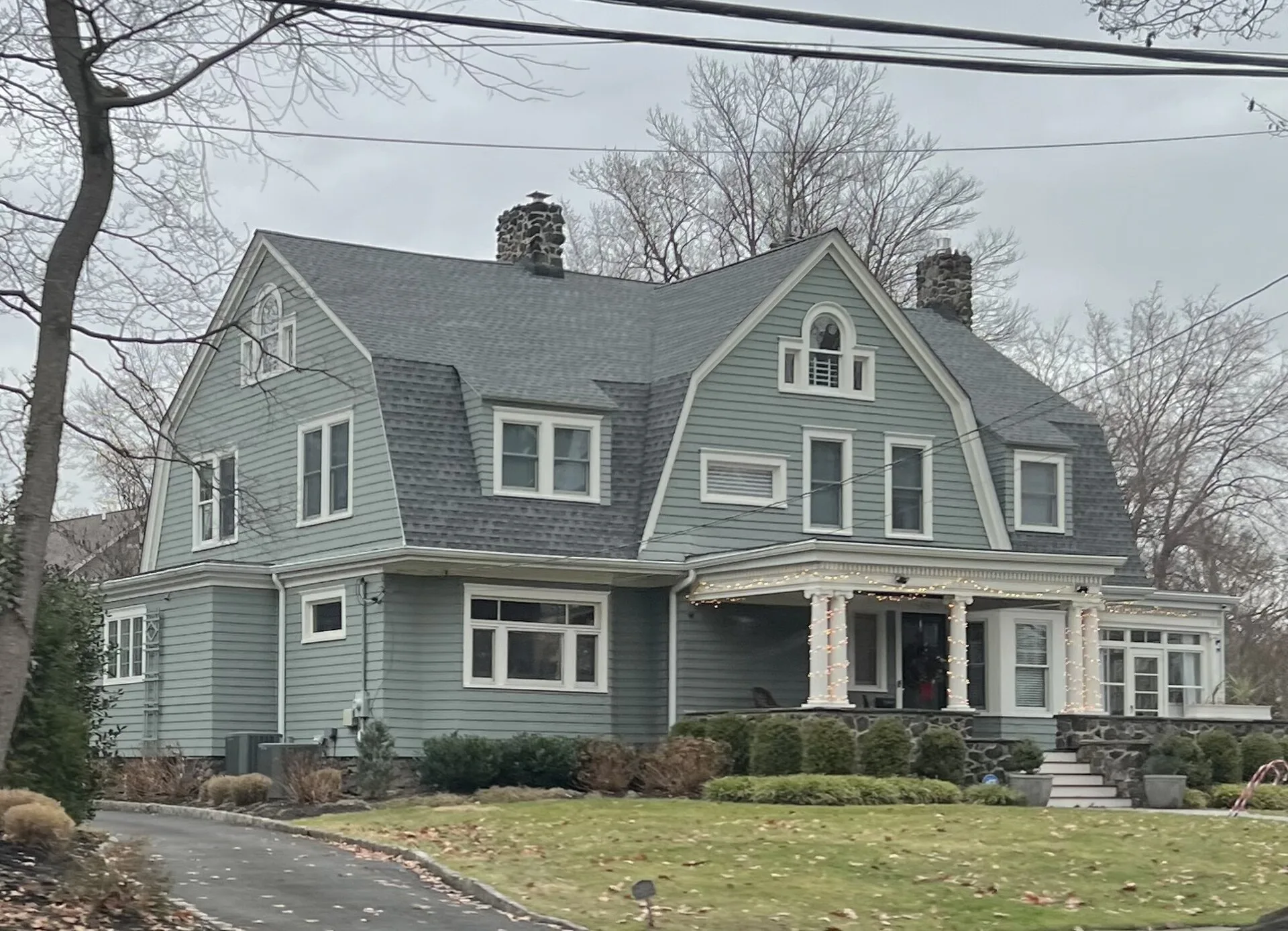
Westfield is a prosperous commuter town in Union County, New Jersey, roughly 28 miles from Manhattan. The Boulevard is one of its more desirable streets, lined with large old houses, and number 657, built in 1905, is among the grandest of them, a six-bedroom house set back from the street. Derek and Maria Broaddus paid $1.3 million for it in June 2014 and began renovating it for themselves and their three young children. Within days of closing, the letters began.
What happened
Derek Broaddus found the first one in the mailbox one evening after painting at the house. The envelope, addressed by hand in heavy lettering to “The New Owner,” held a typed note that started as a neighborly welcome and turned menacing. The writer said 657 Boulevard had been the subject of the family’s attention for decades, claiming a grandfather had watched it in the 1920s and a father in the 1960s, and that it was now the writer’s turn. The letter asked whether the family planned to fill the house with “young blood,” noted the contractors’ work and the vehicles in the drive, and was signed “The Watcher.” Two more letters followed in the next weeks. They identified the children by birth order and by the nicknames their mother called out to them, asked whether they had found what was in the walls, and spoke of the house as something the writer controlled.
The Broadduses called the Westfield police the first night. On police advice they told almost no one about the letters, which meant they could not explain to neighbors why they stopped visiting the house. They never moved in. While continuing to pay the mortgage and taxes, the family lived elsewhere.
The investigation
Westfield police and later the Union County prosecutor’s office investigated, and the family hired private investigators, two former FBI agents, a profiler and a forensic linguist. The first letter’s postmark predated any public listing of the sale, and the letters were processed through a regional mail center rather than locally. A detective later found that DNA recovered from an envelope came from a woman, but it matched no one tested. Investigators also learned that another household on the Boulevard had received a similar letter at around the same time. Several people were looked at and none was charged. By the end of 2014 the police had told the family they had run out of leads.
Going public
In June 2015 the Broadduses sued the couple who had sold them the house, arguing that a Watcher letter received by the sellers shortly before the sale should have been disclosed. The suit made the letters public and turned 657 Boulevard into a national story, with television trucks on the street. The claims, and a counterclaim by the sellers, were eventually dismissed. In January 2017 the town’s planning board unanimously rejected the family’s application to tear the house down and divide the lot. Soon afterward a fourth letter arrived at the house, mocking the media coverage and the family’s attempts to find the writer and listing misfortunes that might befall them.
Public attention brought its own hostility. Some Westfield residents openly doubted the family’s story. Investigators never produced evidence to support that suspicion, and police testing of Maria Broaddus’s DNA did not match the sample from the envelope. The family rented the house out for a period, and in 2019 sold it for about $959,000, far less than they had paid. Its new owners have not reported any letters.
Where it stands
The case was told in full by Reeves Wiedeman in New York magazine in November 2018, and loosely adapted as a 2022 Netflix series, The Watcher, which changed the family’s name at their request. The writer of the letters has never been identified, and no one has been charged. Whoever it was knew the house, the street and the family’s comings and goings in close detail. The case remains unsolved.