
The word skinwalker is an English gloss on the Navajo yee naaldlooshii, usually translated as “with it, he goes on all fours.” In the belief of the Diné, the Navajo people of Arizona, New Mexico and Utah, it names one kind of witch: a person, man or woman, who has chosen to do harm and gained the power to take the shape of an animal, most often a coyote, or of creatures associated with death. The anthropologist Clyde Kluckhohn documented the belief in Navaho Witchcraft, published by Harvard’s Peabody Museum in 1944 and still the standard study. The term is never applied to a healer, and the subject is not discussed lightly, or with outsiders, at all.
What happened
That reticence is the first thing to understand, and the Cherokee scholar Adrienne Keene explained it in 2016 when J. K. Rowling’s Pottermore published a history of magic in North America that recast the skinwalker as a misunderstood wizard. Keene wrote that the figure has a deep place in Navajo ceremonial life and is not a scary story; after consulting a Navajo friend she declined to describe it further, calling the refusal a deliberate choice about what outsiders need to know. The fear is real and the taboo is part of it.
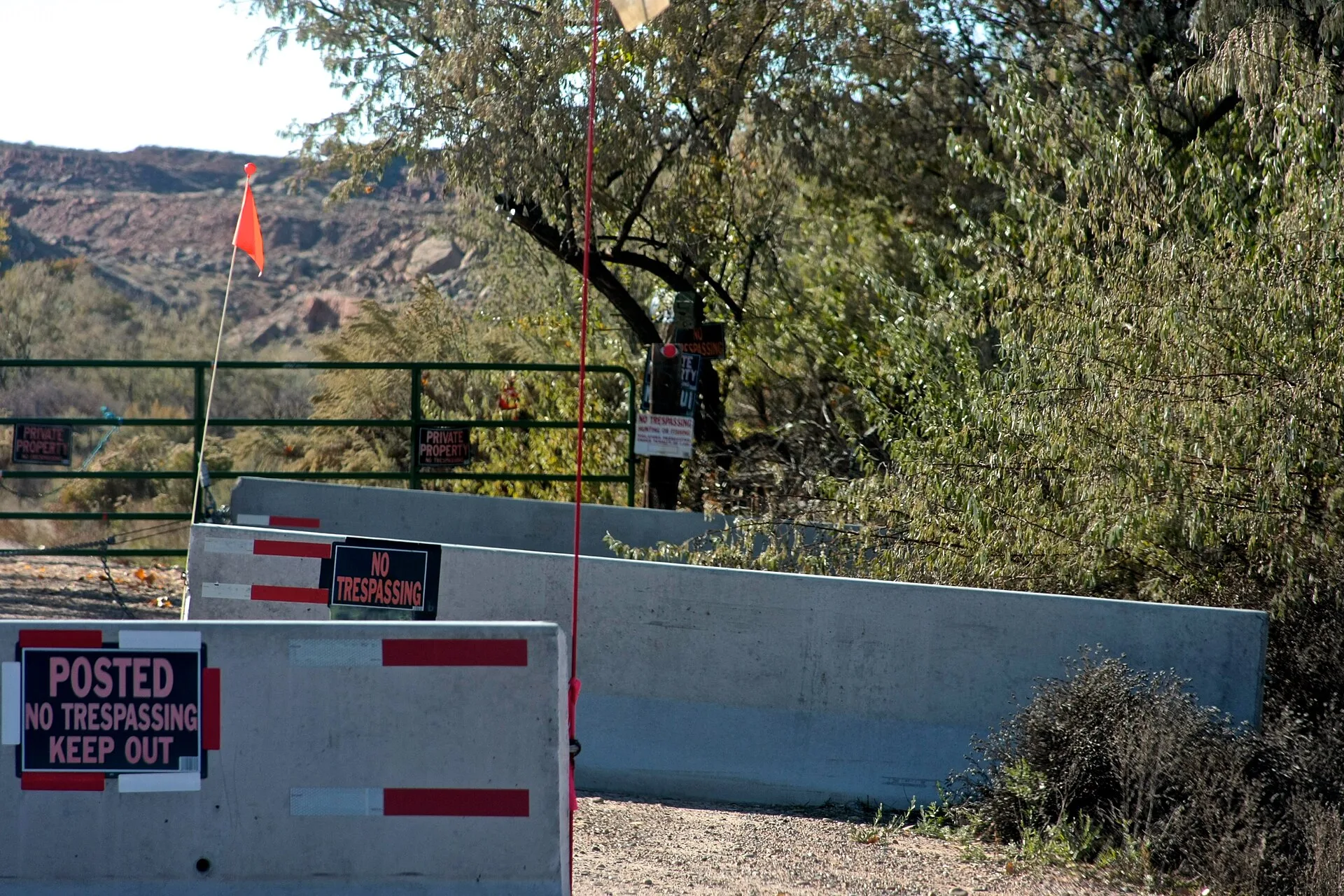
The second thing to understand is that the most famous skinwalker site is not on Navajo land. The Uintah Basin in north-eastern Utah, around the Ute Tribe’s Uintah and Ouray reservation, has produced UFO reports since the 1960s. In about 1994 Terry and Gwen Sherman bought a 480-acre cattle ranch south of Fort Duchesne, isolated behind a creek and a rock ridge. On June 30, 1996 the Deseret News published a long account of what they said had happened there over fifteen months: three recurring kinds of craft, from a small box with a white light to a huge ship; orange circular doorways in the air out of which lights emerged; a red beam; male voices in an unknown language speaking from 25 feet above a field while the dogs went frantic; three flattened grass circles in a triangle; and seven cows lost, four vanished without trace and three found dead and partly mutilated. They had videotaped two sightings. The Uintah and Duchesne county sheriffs had no reports of any of it.
The Shermans sold that September to Robert Bigelow, a Las Vegas property millionaire who had founded the National Institute for Discovery Science the previous October to study the paranormal. He paid about $200,000, stationed scientists and a veterinarian on the property around the clock, and had the Shermans sign a non-disclosure agreement; Terry Sherman said the family had lost money on the deal. NIDS published little and closed in 2004. A 2005 book by one of its scientists and the journalist George Knapp gave the property the name Skinwalker Ranch, importing a Navajo witch to Ute country. In 2007 Bigelow’s company won a Pentagon contract to study anomalous aerospace threats, a program that ran until 2012 and was not public until the New York Times reported it in 2017. In 2016 Bigelow sold the ranch to Brandon Fugal, a Utah commercial-property developer, for an undisclosed sum; Fugal tightened security, installed a research team and in 2020 launched The Secret of Skinwalker Ranch on the History Channel.
The investigation
Three decades of private study on the ranch have produced television, books and no peer-reviewed evidence of anything. The original claims rest on the Shermans’ word and two home videos never released; the sheriffs who would have logged mutilated cattle had nothing on file; Bigelow and Fugal both bought the ranch in order to find something and controlled who could look.
The internet needed none of this. In October 2020 John Soto, a cowboy of Navajo and Apache upbringing posting as @that1cowboy, filmed himself on horseback scanning vultures in the trees at sunset; a voice calls “Hey!” and the horse bolts. The clip drew 7.5 million likes, the #skinwalker tag went from nothing to a flood, and a wave of night-sound and shadow videos followed. By October 2021 the word was a meme. In 2023 came the dogs: compilations of pets staring fixedly at their owners, walking oddly or behaving “too human,” captioned to ask whether the animal was still the family dog or a skinwalker wearing it, a craze reported as far away as Argentina.
The explanations
Navajo voices on TikTok have been divided. Soto told Dazed he hoped to raise awareness of his heritage; a creator posting under #NavajoTikTok said Navajo people welcome education but not the confusion of skinwalkers with wendigos and sacred figures; a third declined to be interviewed because the subject should not be discussed at all. What the trend sells is the uncanny, the familiar thing that is secretly wrong, A dog’s stare is a dog’s stare. A horse spooks at a shout. A ranch in a basin with a UFO tradition produces UFO stories, and the only people with the access to test them have been the people who paid for them.
Where it stands
The yee naaldlooshii belongs to the Diné, who have asked that it be left to them. The skinwalker of the ranch, the show and the feed is a different creature: a legend assembled from a borrowed word, a family’s frightening two years, two rich men’s curiosity and an algorithm.