
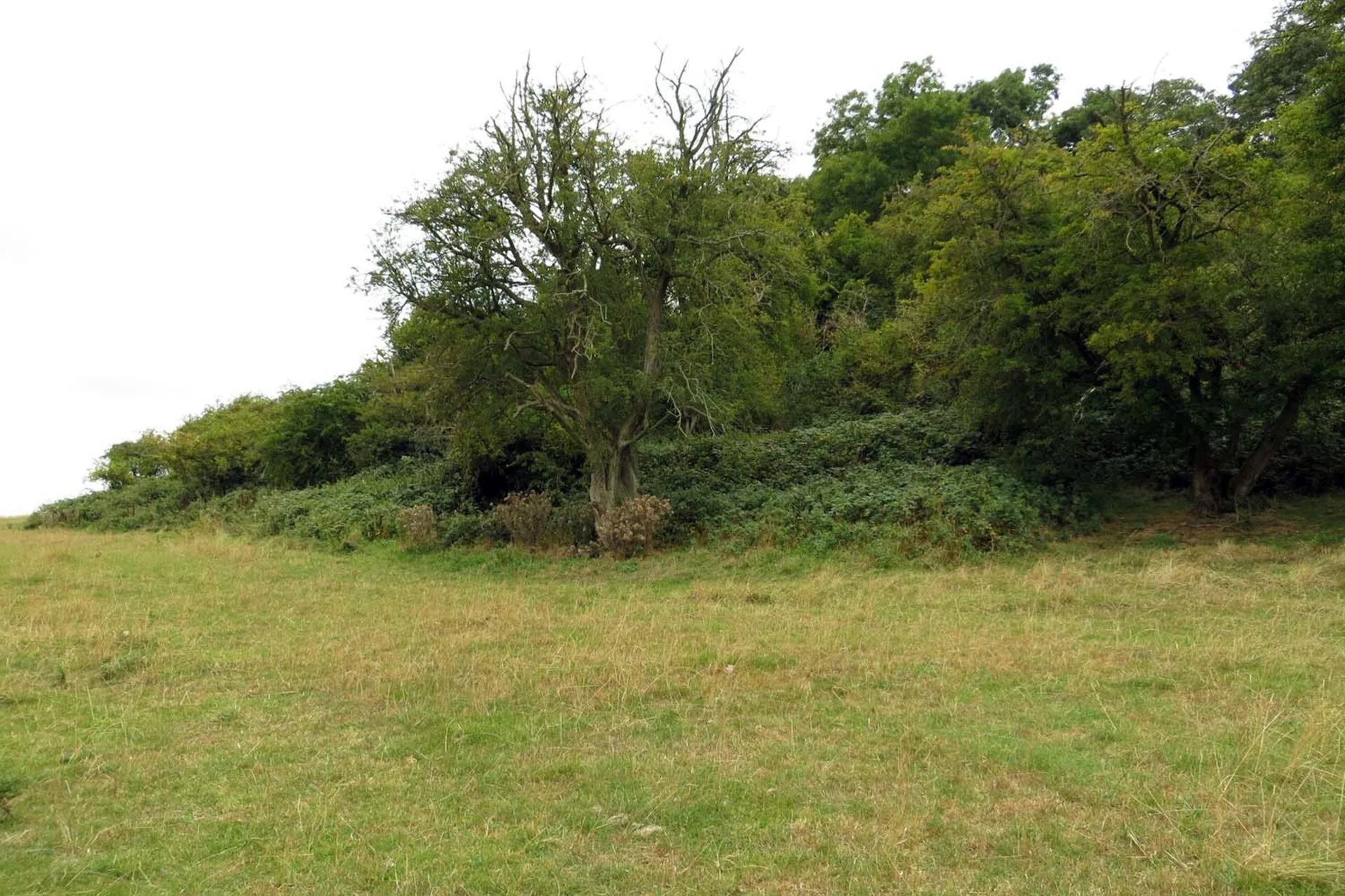
On the morning of July 18, 2003, volunteers searching the countryside around the Oxfordshire village of Southmoor found the body of Dr. David Kelly in a small wood on Harrowdown Hill, about a mile from his home. Kelly, a 59-year-old government scientist and one of Britain’s most experienced weapons inspectors, had walked out the previous afternoon and not come back. Days earlier he had been named as the source for a BBC report claiming that Tony Blair’s government had exaggerated the case for war in Iraq. An official inquiry concluded that he took his own life. A persistent minority, including a member of Parliament and a group of doctors, has argued that he was killed.
What happened
Kelly had been a senior microbiologist at the Porton Down defense laboratory and spent years inspecting Iraqi weapons sites for the United Nations. In May 2003 the BBC journalist Andrew Gilligan reported that a September 2002 dossier on Iraq’s weapons had been “sexed up,” including the claim that some could be ready within 45 minutes. Kelly had met Gilligan, told his managers so, and in early July his name reached the press. On July 15 he was questioned in public by the Foreign Affairs Committee, an ordeal witnesses described as visibly painful, and the next day he gave evidence in private to the Intelligence and Security Committee.
On July 17 he worked from home, then left in the afternoon. According to the later findings, he walked to Harrowdown Hill, swallowed a quantity of co-proxamol painkillers and used an old pruning knife, kept since his boyhood, to open an artery in his left wrist. The pathologist, Dr. Nicholas Hunt, attributed death to blood loss from the wrist wounds, with the painkiller overdose and previously undiagnosed heart disease as contributing factors.
The Hutton Inquiry
The government asked a senior judge, Lord Hutton, to examine the circumstances of the death. Under a provision of the Coroners Act, the Oxfordshire coroner’s inquest was adjourned while the inquiry ran. Hutton heard dozens of witnesses through August and September 2003, publishing most of the evidence online. His report of January 28, 2004, found that Kelly had killed himself and that no third party was involved. It also cleared the government of deliberately inflating the dossier and criticized the BBC so sharply that its chairman and director general resigned. In March 2004 the coroner decided there were no exceptional circumstances that justified resuming the inquest, so no full inquest was ever held.
Hutton asked that the post-mortem report stay out of public view for 70 years, to spare Kelly’s family. That request, intended as a kindness, became one of the main supports of the suspicion that something was being hidden.
The doubts
The murder theory was argued most prominently by Norman Baker, then a Liberal Democrat MP, in his 2007 book The Strange Death of David Kelly. A group of doctors, including the barrister and former doctor Michael Powers, wrote to newspapers in 2010 calling the official cause of death unsafe. Their main point was medical: a cut to the small ulnar artery, they argued, rarely causes fatal blood loss, and the painkiller levels in his blood were modest. Critics also raised the absence of fingerprints on the knife and pill packets, the conflicting descriptions of how the body lay, and a remark Kelly had reportedly made to a diplomat, that if Iraq were invaded he would probably be found dead in the woods.
The 2010 release and after
In October 2010 the Justice Secretary, Kenneth Clarke, published the post-mortem and toxicology reports. Hunt had found that the wrist wounds were arranged in a way typical of self-inflicted injury, with several smaller cuts before the deep one, that Kelly had taken off his watch and glasses first, and that there were no defensive wounds of the kind seen in knife attacks. The toxicologist judged that the overdose and the hidden heart disease would together have made death quicker and more certain. One of the doctors who had signed the 2010 letter said publicly that the documents had satisfied him it was suicide. Others said nothing had changed.
The Attorney General, Dominic Grieve, then commissioned an independent pathologist and a professor of toxicology to review the medical evidence, consulted Hutton and the coroner, and had Thames Valley Police respond to each of the specific allegations. In June 2011 he told Parliament he would not seek a new inquest, saying the evidence of suicide was overwhelmingly strong and that he had seen nothing to support claims of murder or a cover-up.
Where it stands
The complaint that Kelly’s death never received a full coroner’s inquest is a fair point about procedure, and it is the reason doubts survived as long as they did. The murder claim is a different matter. Every examination of the physical evidence, including the independent reviews of 2011, has pointed to suicide, and no one has produced evidence of who might have killed him or how. In 2017, after his grave had become a rallying point for campaigners, his remains were exhumed at his widow’s request and reportedly cremated.