
Betty and Barney Hill were not obvious candidates for a UFO legend. Barney, a Black postal worker and Second World War veteran, and Betty, a white social worker, were an interracial couple in early-1960s New Hampshire and active in civil rights work through the NAACP. Their account of a night in the White Mountains became the first widely publicized alien abduction in the United States, and much of what later abduction stories contained, from the medical examination to the gray beings with large eyes, first appeared in theirs.
What happened
On the night of September 19, 1961 the Hills were driving home to Portsmouth from a short holiday at Niagara Falls and Montreal. South of Lancaster, on US Route 3, Betty noticed a bright light that seemed to move against the stars. They stopped several times to watch it through binoculars as they drove south past Twin Mountain and Franconia Notch. Betty thought it was a craft; Barney at first thought it was an airplane. Near Indian Head, by their account, it came low enough for Barney to see a row of windows and figures inside, and he ran back to the car in fear. They then heard a series of beeps, felt drowsy, and found themselves much farther south, arriving home around dawn later than the drive should have taken. They reckoned about two hours were missing.
Betty called Pease Air Force Base, near Portsmouth, and the report went into the Air Force’s Project Blue Book files. About ten days later she began a run of vivid dreams of being taken aboard a craft and examined by short beings. She wrote them down. In October a Boston astronomer, Walter Webb, interviewed the couple for the National Investigations Committee on Aerial Phenomena and came away convinced they were honest.
The investigation
Barney’s anxiety and health problems led the couple to the Boston psychiatrist Benjamin Simon, who hypnotized them separately in a series of sessions beginning more than two years after the drive. Under hypnosis both described being stopped on the road, led aboard a craft and examined. Betty also described a star map shown to her by the leader, which she later drew from memory. In October 1965 the Boston Traveler broke the story on its front page, and in 1966 the writer John G. Fuller published The Interrupted Journey, based on the hypnosis tapes. In 1975 NBC broadcast a television film of the case.
In 1968 the teacher and amateur astronomer Marjorie Fish built a three-dimensional model of nearby stars and concluded that Betty’s map matched a view centered on the double star Zeta Reticuli. The match drew wide attention, but astronomers including Carl Sagan argued that a sketch of a handful of dots can be fitted to many star patterns, and Fish later withdrew her identification after improved star distances from the Hipparcos satellite.
The explanations
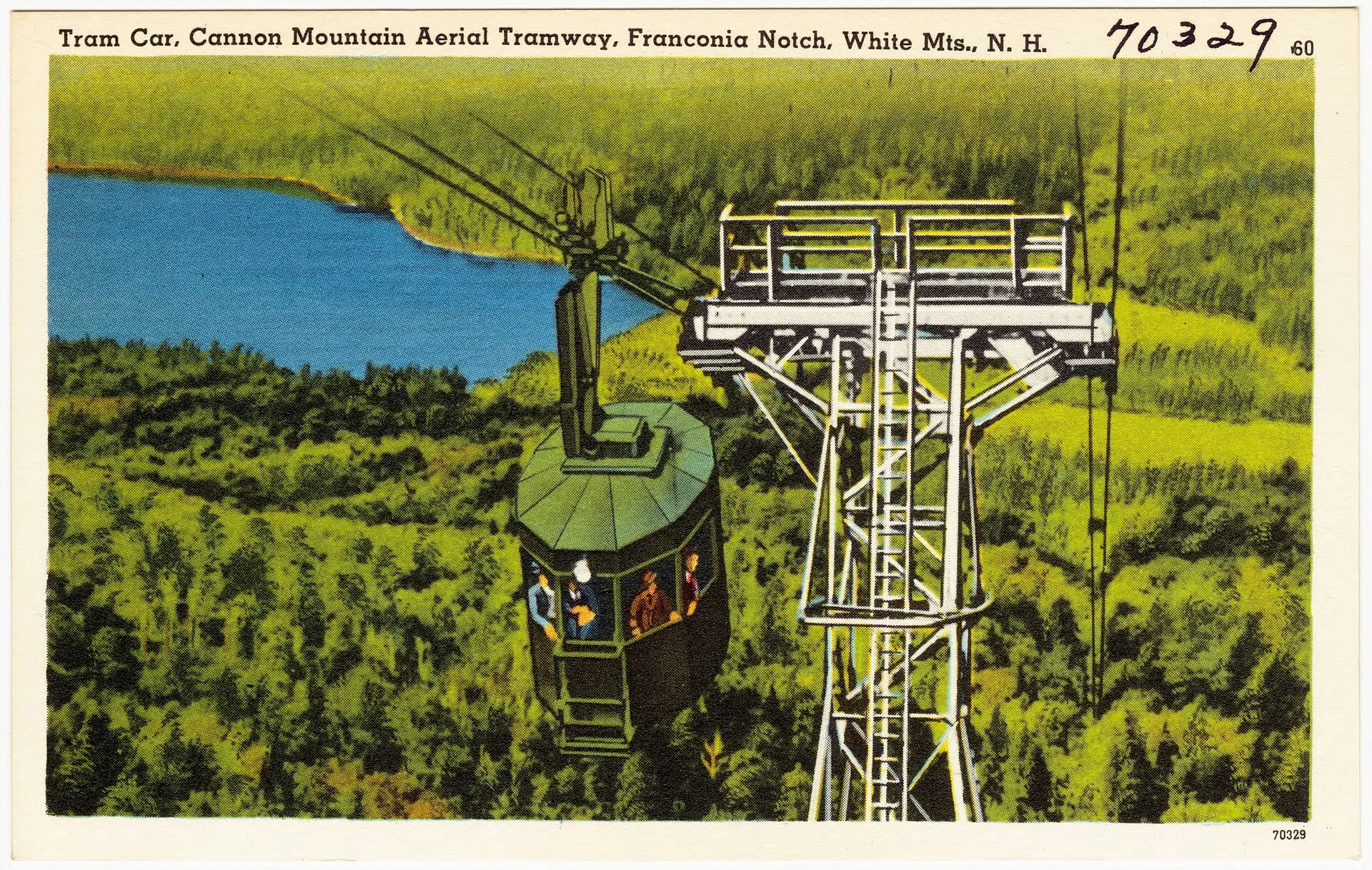
Simon himself concluded that the abduction was most likely a fantasy that originated in Betty’s dreams and that Barney had absorbed it from hearing her retell them; he did not believe the experience was literal. Critics note that by the time of the hypnosis Betty had spent two years writing and discussing the dreams, and that hypnosis is known to produce vivid, confidently held memories of things that did not happen. Brian Dunning of Skeptoid points to the brightly lit car of the Cannon Mountain Aerial Tramway, which the Hills would have passed near Franconia Notch, as a match for the windowed object Barney described, and others have suggested the original moving light was a bright planet.
Where it stands
Barney Hill died in 1969 and Betty in 2004, still convinced of the encounter. Her papers, including the dress she wore that night and her star map, are held by the University of New Hampshire, and in 2011 the state placed a historical marker on Route 3. The Hills clearly saw something that frightened them. Whether they were taken anywhere rests entirely on memories recovered under hypnosis, and the evidence leaves the abduction unproven.