
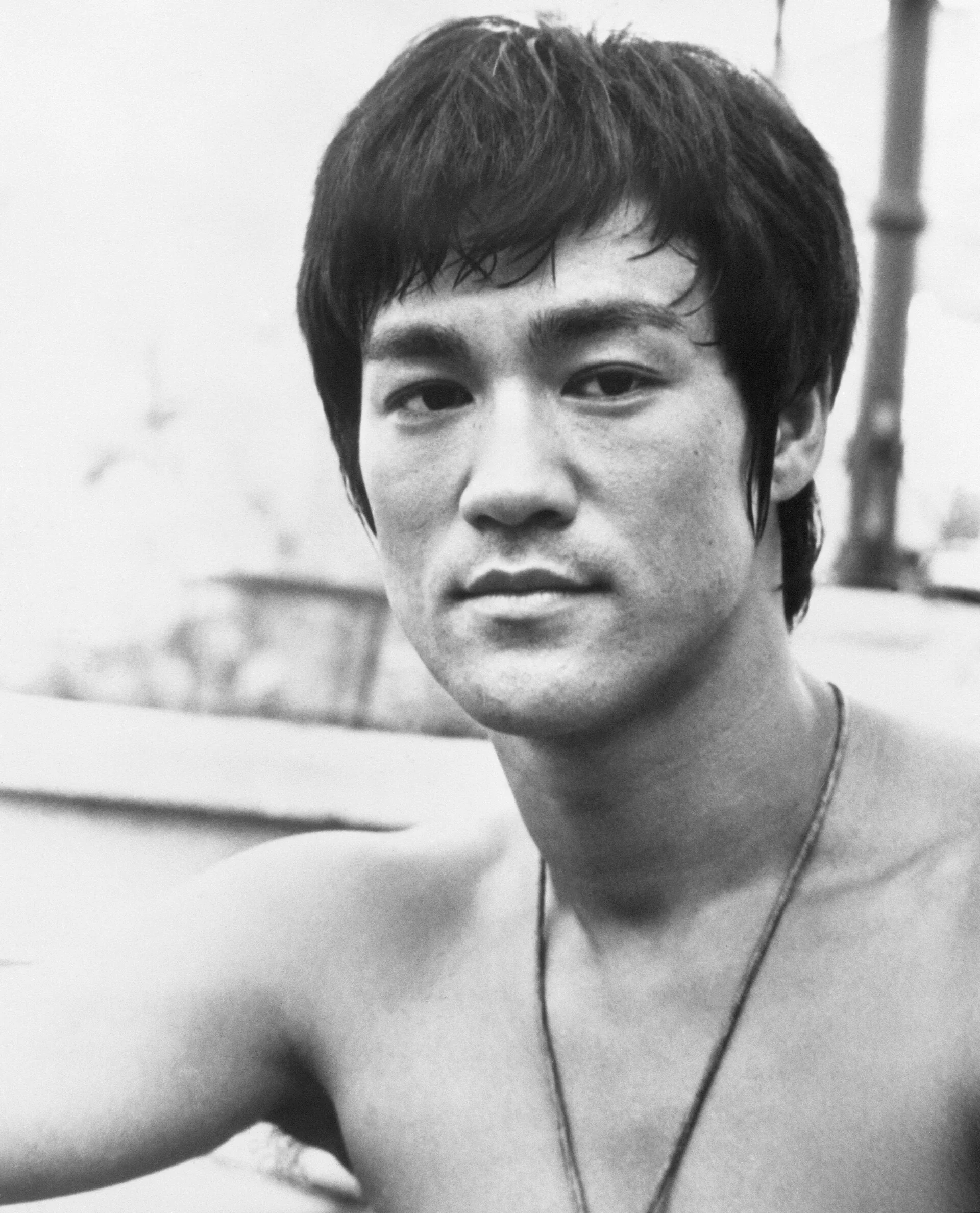
By the summer of 1973 Bruce Lee had made himself the biggest star in Hong Kong cinema with The Big Boss, Fist of Fury and The Way of the Dragon, and Warner Bros. was weeks from releasing Enter the Dragon, the first Hollywood co-production built around a Chinese lead. He was 32, famously disciplined about training and diet, and in the middle of planning another picture, Game of Death, with the producer Raymond Chow of Golden Harvest.
What happened
The warning came first. On May 10, 1973, while recording dialogue for Enter the Dragon in a stuffy studio room, Lee collapsed, had a seizure and was taken by ambulance to Hong Kong Baptist Hospital. Doctors there found swelling of the brain and brought it down with the drug mannitol. A neurological workup in Los Angeles afterward ended with a diagnosis of a convulsive disorder, and he went back to work.
On July 20 Lee spent the afternoon with Chow going over the Game of Death script, then went to the Kowloon Tong apartment of his colleague the Taiwanese actress Betty Ting Pei, where Chow joined them to talk through the project. During the evening he complained of a headache and some dizziness. He was given an Equagesic tablet, a prescription combination of aspirin and the tranquilizer meprobamate that he had used before, and lay down. Chow left for a dinner meeting with the actor George Lazenby that Lee was meant to join later. When Lee did not wake, a doctor was called and spent several minutes trying to revive him before an ambulance took him to Queen Elizabeth Hospital, where he was declared dead on arrival. The first wire reports said he had been found unconscious at home, an inaccuracy that the Hong Kong press quickly exposed and that fed suspicion for years.
The investigation
The autopsy found no external injury. Lee’s brain was markedly swollen, at roughly 1,575 grams against a typical 1,400, and small amounts of cannabis were present in his stomach. Given the stakes, Donald Teare, a senior British forensic pathologist recommended by Scotland Yard, was brought in to review the findings. At the inquest before coroner Egbert Tung in September, Teare testified that cannabis could not reasonably be blamed for either collapse, and the hospital’s clinical pathologist, R. R. Lycette, agreed. Teare’s view was that Lee had suffered a rare hypersensitivity reaction to an ingredient in Equagesic. The jury returned a unanimous verdict of death by misadventure. Lee’s widow, Linda Lee Cadwell, accepted that explanation.
The explanations
Popular explanations ran well beyond the medical record. Hong Kong tabloids printed stories of poisoning by jealous martial artists, assassination by triads angry at his independence, and a family curse, a theory that gained new life when his son Brandon was killed by a prop gun in 1993. None of them is supported by the autopsy, which found nothing a poisoner or assailant would leave.
The medical debate is more serious, because the drug-reaction finding is weak in its own way: Lee had taken Equagesic before without trouble. In his 2018 biography the journalist Matthew Polly argued for heatstroke, pointing to the hot rooms in which both collapses occurred and to Lee’s decision months earlier to have the sweat glands in his armpits removed. In 2022 a team of kidney specialists at the Fundación Jiménez Díaz in Madrid, writing in the Clinical Kidney Journal, proposed hyponatremia instead, a dangerous fall in blood sodium. They argued that his heavy fluid intake, cannabis use, alcohol, prescription drugs and a lean, low-salt diet could have left his kidneys unable to clear excess water, which then swelled the brain. Both are hypotheses assembled from published accounts rather than from any new physical evidence.
Where it stands
The inquest verdict has never been reopened. There is no evidence that anyone killed Bruce Lee, and the cause of death, a swollen brain, is not in dispute. Why the swelling happened, twice in ten weeks, remains a medical puzzle with several candidate answers and no way left to choose between them.