
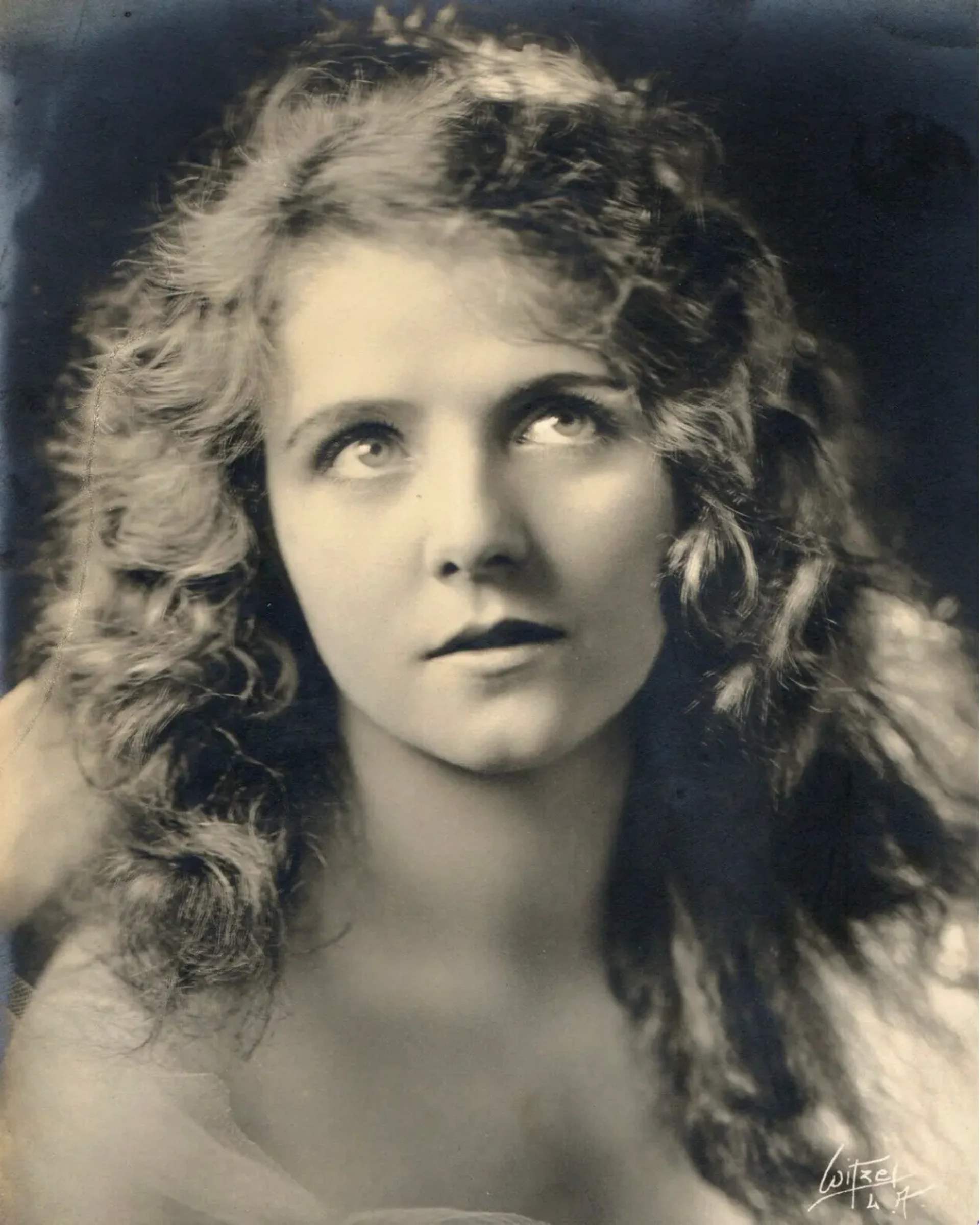
Olive Thomas left a working-class childhood in Pennsylvania for New York, won a beauty contest there in 1914, and moved from the Ziegfeld Follies into pictures. By 1920 she was a rising star at Selznick Pictures, the lead in The Flapper, and the wife of Jack Pickford, an actor whose sister Mary was the most famous woman in film. The marriage was stormy and much reported on. That August the couple sailed for Europe on what the press called a second honeymoon, and took rooms at the Ritz in Paris.
What happened
On the night of September 4 they made a long round of Paris nightspots and came back to the hotel around three in the morning on Sunday, September 5. According to Pickford, both had been drinking and he went to bed while she stayed up. He heard her cry out from the bathroom and found her holding a bottle she had just drunk from. It held mercury bichloride dissolved in alcohol, a corrosive antiseptic then used as a topical medicine; the label was in French. Pickford said she had taken it for her sleeping draught in the dim light. He made her drink water to bring it up, a doctor was called to pump her stomach, and by morning she was at the American Hospital in the suburb of Neuilly.
Mercury bichloride does its worst damage to the kidneys, and there was no effective treatment. Thomas lived for five days, conscious for much of the time, with Pickford and his former brother-in-law, the actor Owen Moore, at the bedside. She died on September 10, 1920. Photoplay, reporting the death that fall, said she had taken the poison by mistake for a sleeping powder and that her husband had forced dozens of glasses of water on her as first aid.
The investigation
Paris police looked into the case and an autopsy attributed death to acute nephritis from mercury absorption. On September 13 the examining physician ruled it accidental. Pickford gave his account to the newspapers the same week, insisting that the stories already circulating about wild parties and quarrels were untrue and that she had not wanted to die. He brought her body back to New York, and her funeral at St. Thomas Church on Fifth Avenue drew such a crowd that police had to control it.
The explanations
Three versions competed in print. The accident story is Pickford’s, backed by Moore and accepted by the authorities: a tired, tipsy woman, a strange bottle in a hotel bathroom, a foreign label. A second held that she drank the poison on purpose, whether after a fight or, as some writers have proposed, after learning that Pickford had given her syphilis; the drug in the bottle had reportedly been prescribed for him for that disease. The director Marshall Neilan was quoted later as believing it was suicide. The third, and least supported, had Pickford poisoning her for her life insurance. There was talk, too, of drugs; none of it was substantiated.
The science writer Deborah Blum, who examined the case in her history of early forensic toxicology, notes that chemists of the period could detect mercury in tissue in tiny amounts, so there was never doubt about what killed Thomas, only about why she swallowed it. Nothing in the record shows that the bottle was put in her hand by anyone else, and the accident account has the advantage of being the only one given by the sole witness.
Where it stands
Her death was one of the first scandals to make Hollywood’s private life front-page news, a year before the Arbuckle case. The official finding of accidental poisoning has never been revised, and the competing theories rest on gossip and inference about a troubled marriage. Since only one person was there, the question of intent can no longer be answered.