
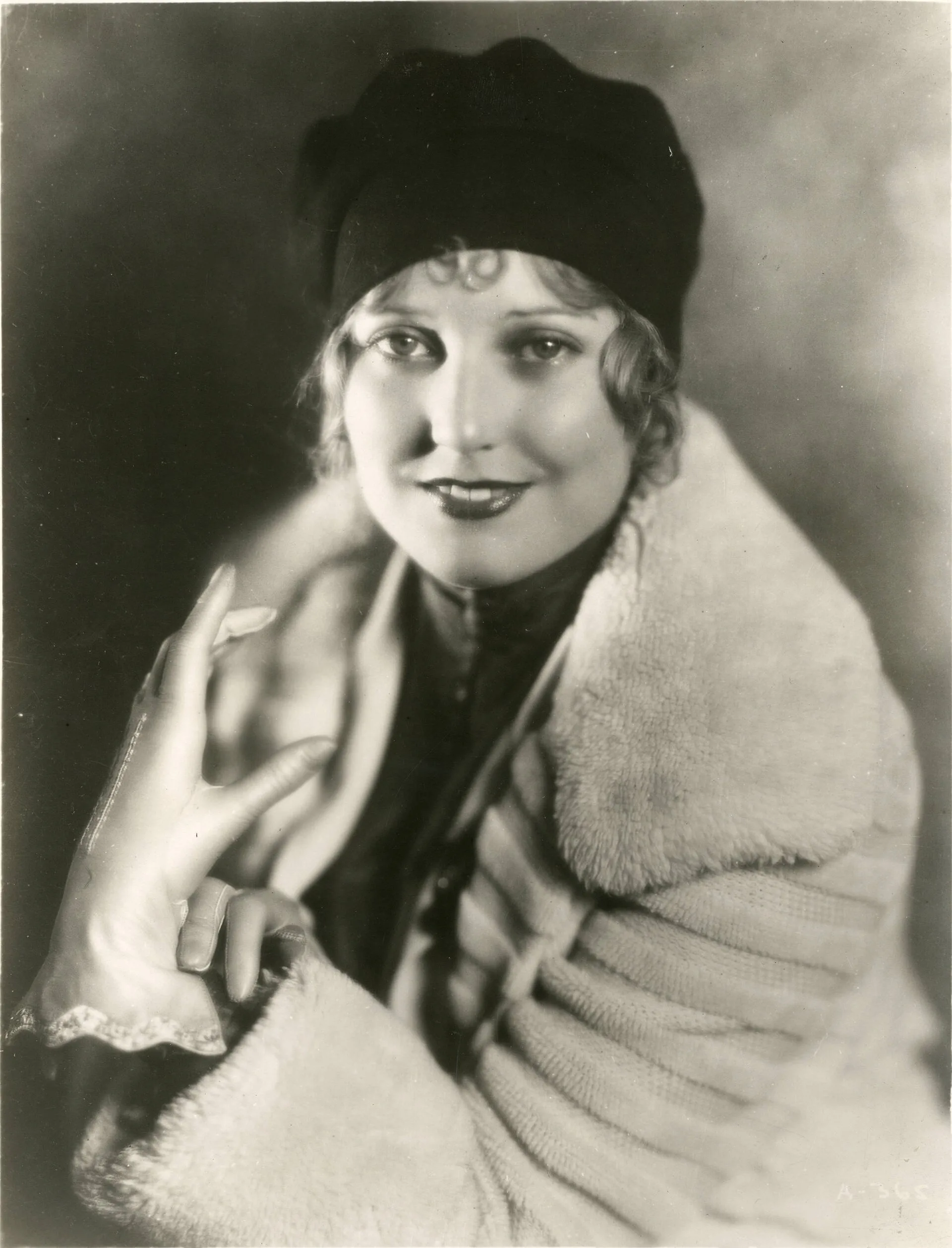
Thelma Todd trained as a schoolteacher in Lawrence, Massachusetts, won the Miss Massachusetts title in 1925 and was soon in Hollywood, where she became one of the busiest comic actresses of the early sound era. She played opposite the Marx Brothers and Buster Keaton and headlined a run of two-reel comedies for Hal Roach, first with ZaSu Pitts and then with Patsy Kelly. In 1934 she went into business with the director Roland West, her lover, opening Thelma Todd’s Sidewalk Cafe on the coast road below the Castellammare bluffs in Pacific Palisades. They lived in apartments above it. Eighteen months later she was dead, and the circumstances have kept people guessing ever since.
What happened
On Saturday night, December 14, 1935, Todd went to a party in her honor at the Cafe Trocadero on the Sunset Strip, given by the English entertainer Stanley Lupino and his daughter, the young actress Ida Lupino. West had told her to be home by two. She had a sharp exchange with her former husband, the agent Pat DiCicco, who arrived with another woman, but friends described her as cheerful for most of the night. Her chauffeur, Ernest Peters, dropped her at the cafe at about four on Sunday morning. He offered to walk her up; she said no. He was the last person known for certain to have seen her alive.
On Monday morning her maid, Mae Whitehead, climbed the long flight of concrete steps behind the cafe to the garage where Todd kept her car, part of a house on Posetano Road that belonged to West’s estranged wife, the former actress Jewel Carmen. Todd was slumped in the front seat of her Lincoln Phaeton convertible, still in her evening gown and mink, with her jewelry on and some dried blood around her mouth and nose.
The investigation
The county coroner, Frank Nance, opened an inquest on December 18. The autopsy surgeon testified that she had died of carbon monoxide poisoning, that she had been drinking, and that apart from a minor bruise on the lip there were no marks of violence. The blood was consistent with the poisoning. The coroner’s jury found the death apparently accidental but asked for further inquiry, and a county grand jury took up the case, calling West and a long list of other witnesses over several weeks in December and January. It returned no indictment. Police closed the file as an accident, with the possibility of suicide, although friends knew of no reason for her to take her own life and she left no note.
The likeliest sequence, as most later accounts reconstruct it, is unglamorous. Arriving home intoxicated in the small hours, Todd found herself locked out or chose not to wake West, climbed to the garage and started the engine for warmth on a cold night, and was overcome by fumes in the enclosed space. A newspaper at the time quoted West as saying he had locked her out.
The theories
The case never lacked for darker readings. Reports that she had been seen or heard from later on Sunday muddied the timeline, one account says the estimated time of death was pushed back to Sunday evening, and later writers have repeated claims of a broken nose and cracked ribs that do not match the autopsy testimony. Suspicion fell on West, who had locked her out; years afterward the producer Hal Roach and the actor Chester Morris each said they believed West was responsible, and Morris claimed West confessed on his deathbed. DiCicco was named too. The most lurid theory, spread by later books, holds that the gangster Lucky Luciano had her killed for refusing to let him run gambling above the cafe; the biographer William Donati points out that Luciano was being watched by police in Hot Springs, Arkansas, at the time she was found, and no evidence shows the two ever met. Earlier that year Todd had received extortion letters, but the man who sent them was traced and had no link to her death.
Where it stands
The building that housed the cafe still stands on Pacific Coast Highway. The official verdict remains an accident. A drunk, cold woman alone in a closed garage with a running engine explains the physical evidence without a killer, but the shifting witness accounts, the lock-out and the long grand jury hearings left enough doubt for murder theories to survive. Nothing has ever been proved either way.