
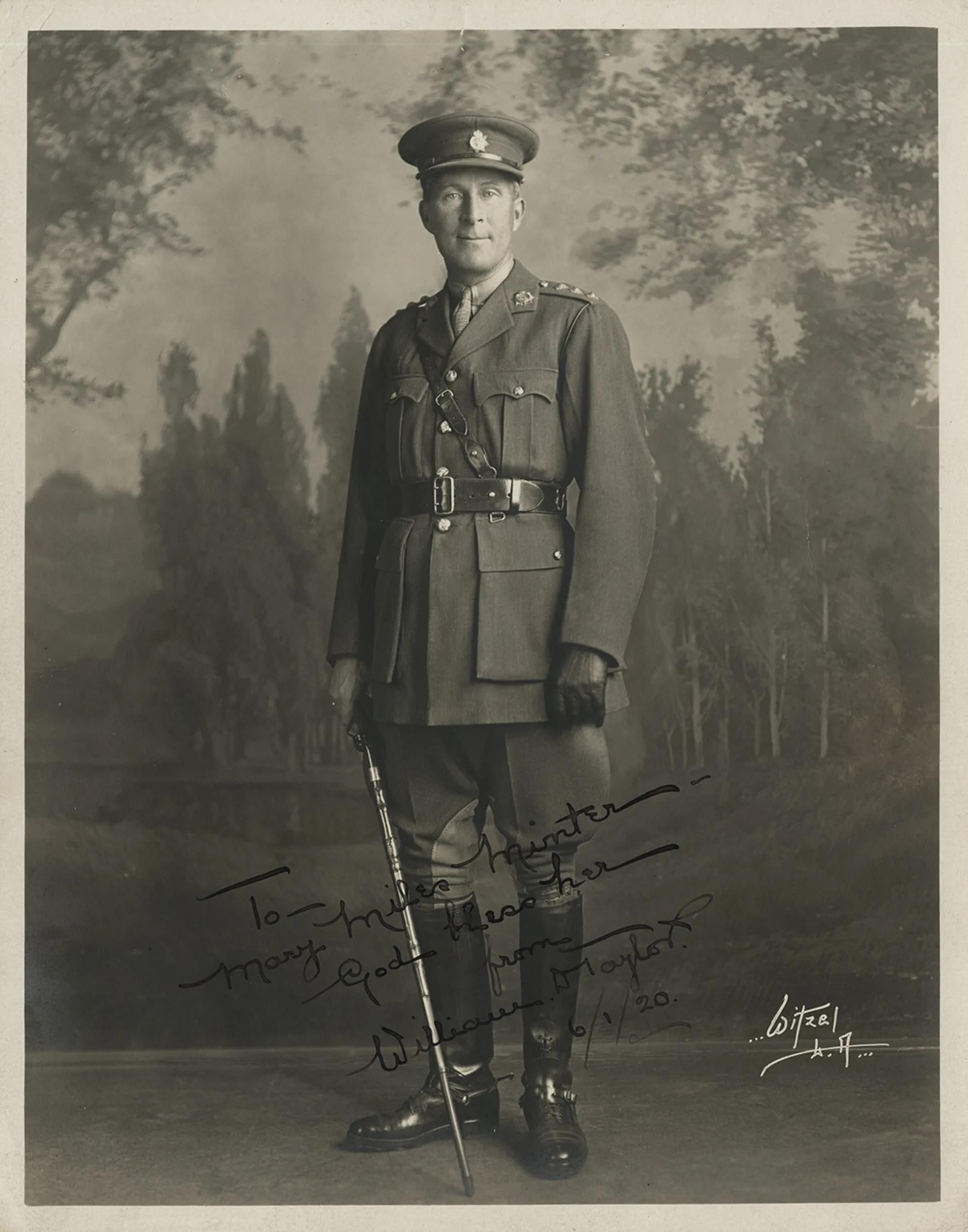
In early 1922 William Desmond Taylor was one of the most respected directors at Famous Players-Lasky, the company behind Paramount Pictures. He was 49, cultivated, a reader of philosophy and, by most accounts, kind to the young actresses whose careers he guided. On the morning of February 2 his valet, Henry Peavey, opened the door of Taylor’s two-story bungalow in Alvarado Court, a fashionable cluster of apartments near Westlake Park, and began screaming. Taylor lay dead on the living-room floor. Within days his death was the biggest story in the country, and it has never been solved.
What happened
The scene was compromised from the start. According to Ed King, an investigator for District Attorney Thomas Lee Woolwine who wrote about the case in 1930, a crowd was already milling through the bungalow when the first detective arrived, and an unidentified man who said he was a doctor declared that Taylor had died of natural causes. Charles Eyton, a studio executive and friend of Taylor’s, went upstairs and carried off a bundle of letters, which he later said he destroyed to spare married women from scandal. Only when Eyton turned the body over did anyone see the blood. Taylor had been shot once in the back with a .38-caliber revolver; the bullet traveled upward and lodged near his left shoulder, and the holes in his coat and vest did not line up, which suggested his arms were raised when he was hit. He still had cash, a diamond ring and a watch, so robbery seemed unlikely.
The last known visitor was Mabel Normand, the comedian and one of the biggest stars in Hollywood, who called at about seven the previous evening to pick up a book. Taylor walked her to her car around 7:45. Soon afterward a neighbor, Faith MacLean, wife of the actor Douglas MacLean, heard what she took for a car backfiring and saw a figure in a heavy coat, cap and muffler step unhurriedly out of Taylor’s door and walk off between the buildings. She told investigators it seemed to be a man, but a funny-looking one, with the look of an actor in studio make-up, a remark that later fed theories that the killer was a woman in disguise.
The investigation
Every thread led somewhere embarrassing. Love letters and a monogrammed nightgown tied Taylor to Mary Miles Minter, a 19-year-old Paramount star marketed as a picture of innocence. Taylor himself turned out to be William Cunningham Deane-Tanner, an Irish-born antiques dealer who had walked out on his wife and daughter in New York in 1908 and resurfaced in film under a new name. His former valet, Edward Sands, had forged checks on his account and burgled the bungalow the previous summer, then vanished; he was never found. Peavey had been arrested days earlier on a morals charge, and stories of drugs and secret lives filled the papers. Coming months after the Roscoe Arbuckle scandal, the case hardened public suspicion of Hollywood, and the careers of both Normand and Minter faded.
The suspects
Minter’s mother, Charlotte Shelby, has been the favorite of many writers. She was said to own a .38 pistol and unusual ammunition similar to the fatal bullet, she fiercely opposed her daughter’s attachment to Taylor, and her alibi witness was later reported to have received large sums of money. Her other daughter, Margaret, publicly accused her in the 1930s. Two district attorneys, including Buron Fitts, declined to prosecute, and the case files later disappeared. The director King Vidor investigated privately in the 1960s, and his notes became the basis of Sidney Kirkpatrick’s 1986 book A Cast of Killers, which names Shelby; the researcher Bruce Long, editor of the newsletter Taylorology, has published detailed corrections to it. The editor Robert Giroux argued instead in 1990 that a hired killer silenced Taylor because he planned to help federal authorities move against the dealers supplying Normand’s cocaine. Sands remains a suspect for some. The actress Margaret Gibson, who had worked with Taylor years before and was never questioned, reportedly confessed shortly before her death in 1964.
Where it stands
More than a century later the Taylor murder is a puzzle with too many pieces. The scene was disturbed before police took charge, key evidence was removed by studio people, the official files were lost, and every principal has been dead for decades. Each suspect fits some of the facts and none fits all of them. The murder remains officially unsolved.